New Hatchlings of One of Mexico's Most Cryptic Turtles

Hatchling Mexican spotted wood turtle (Rhinoclemmys rubida rubida)
Photo by Hallie Hoffman
The Turtle Conservancy is excited to announce the successful hatching of two Mexican spotted wood turtles (Rhinoclemmys rubida rubida), also known in Spanish as the tortuga de monte manchada mexicana.
Despite their striking colors, these turtles are among the most secretive and least-studied turtles in North America. Two forms of Rhinoclemmys rubida are recognized: Rhinoclemmys rubida rubida and Rhinoclemmys rubida perixantha. Both are exceptionally difficult to encounter in the wild, spending much of their lives hidden beneath dense vegetation on the forest floor.
The Turtle Conservancy's breeding group belongs to Rhinoclemmys rubida rubida, the more terrestrial of the two forms. Unlike many turtles that spend much of their lives in or around water, this subspecies inhabits a narrow stretch of tropical dry deciduous forest along Mexico's Pacific coast, occurring primarily on wooded hillsides rather than in streams or ponds. Its range is restricted to a relatively narrow strip of habitat in the states of Jalisco, Colima, and Michoacán, making it especially vulnerable to changes in the landscape.
Life for these turtles revolves around the region's dramatic seasonal climate. Following the end of the rainy season, R. r. rubida spends up to seven months in estivation, sheltering beneath deep leaf litter, fallen logs, and other forest debris as the tropical dry forest becomes hot and arid. They remain hidden throughout the long dry season, conserving energy until the first seasonal rains arrive—typically in late May or June. With the return of the rains, the forest comes alive, and the turtles emerge to forage, breed, and take advantage of the brief period when food and water are abundant.
Very little is known about the natural history of R. r. rubida. Its limited distribution, cryptic behavior, and prolonged estivation make it one of Mexico's most difficult turtles to study. At the same time, the tropical dry deciduous forests it inhabits are among the country's most threatened ecosystems. Once widespread along Mexico's Pacific coast, these forests have become increasingly fragmented by deforestation, agricultural expansion, livestock grazing, and human development, leaving isolated patches of habitat for the wildlife that depends on them.
Although the Mexican spotted wood turtle is currently assessed as Least Concern on the IUCN Red List, the Turtle Conservancy believes the species warrants continued conservation attention. Its highly restricted and fragmented habitat, combined with how little is known about its ecology, makes it especially vulnerable to ongoing habitat loss. Protecting this species also means protecting one of Mexico's most threatened forest ecosystems.
These two hatchlings represent an important milestone for the Turtle Conservancy. We are currently the only institution in the United States successfully breeding this remarkable turtle, providing a unique opportunity to better understand its biology while maintaining an assurance population and expanding scientific knowledge of one of Mexico's most elusive reptiles.
Every successful hatch reflects years of careful husbandry and patience from our animal care team. As these young turtles grow, they will help us learn more about a species that spends much of its life hidden beneath the forest floor, emerging only with the arrival of the summer rains. They also serve as ambassadors for the conservation of Mexico's rapidly disappearing tropical dry forests and the remarkable wildlife they support.
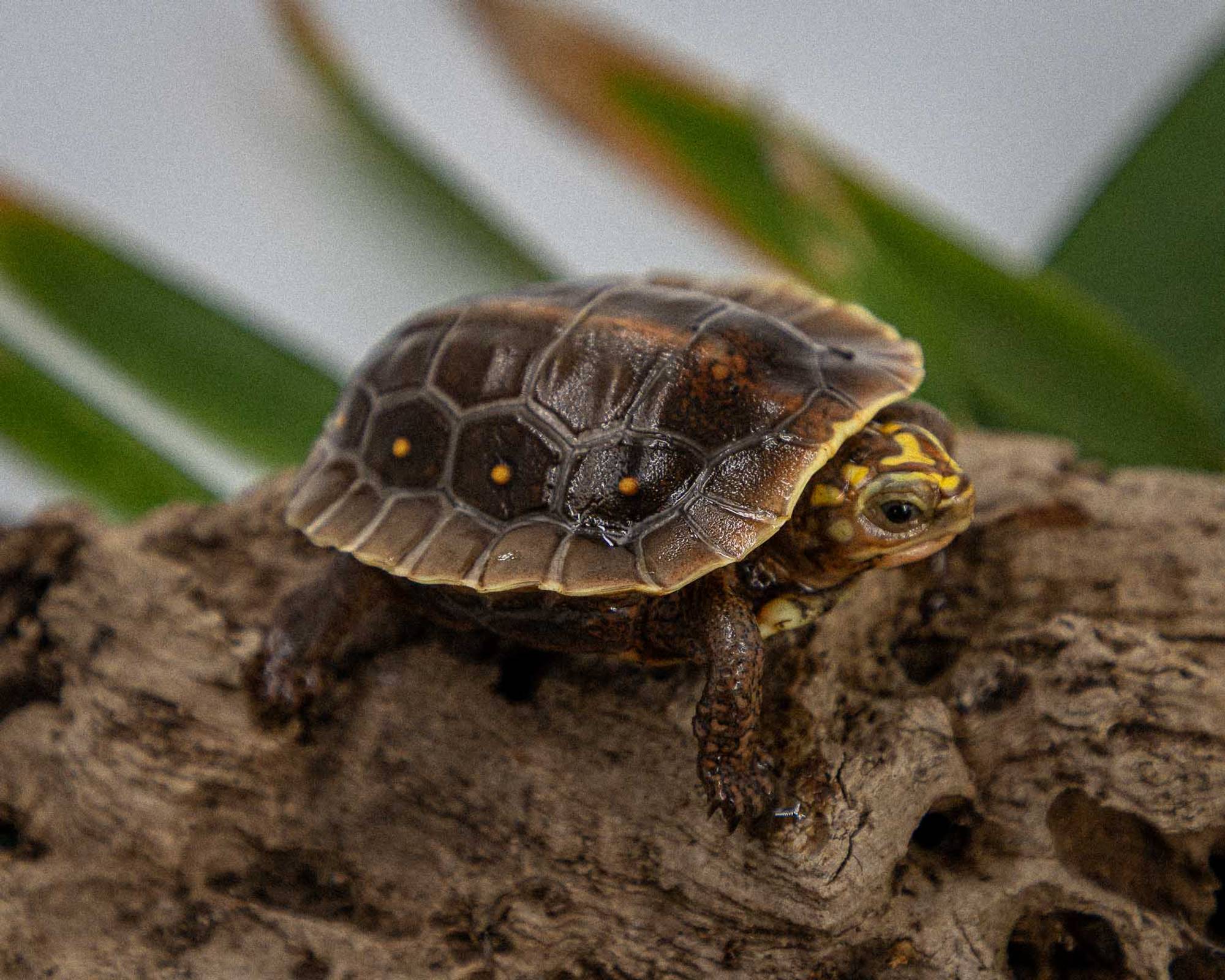
Photo by Hallie Hoffman
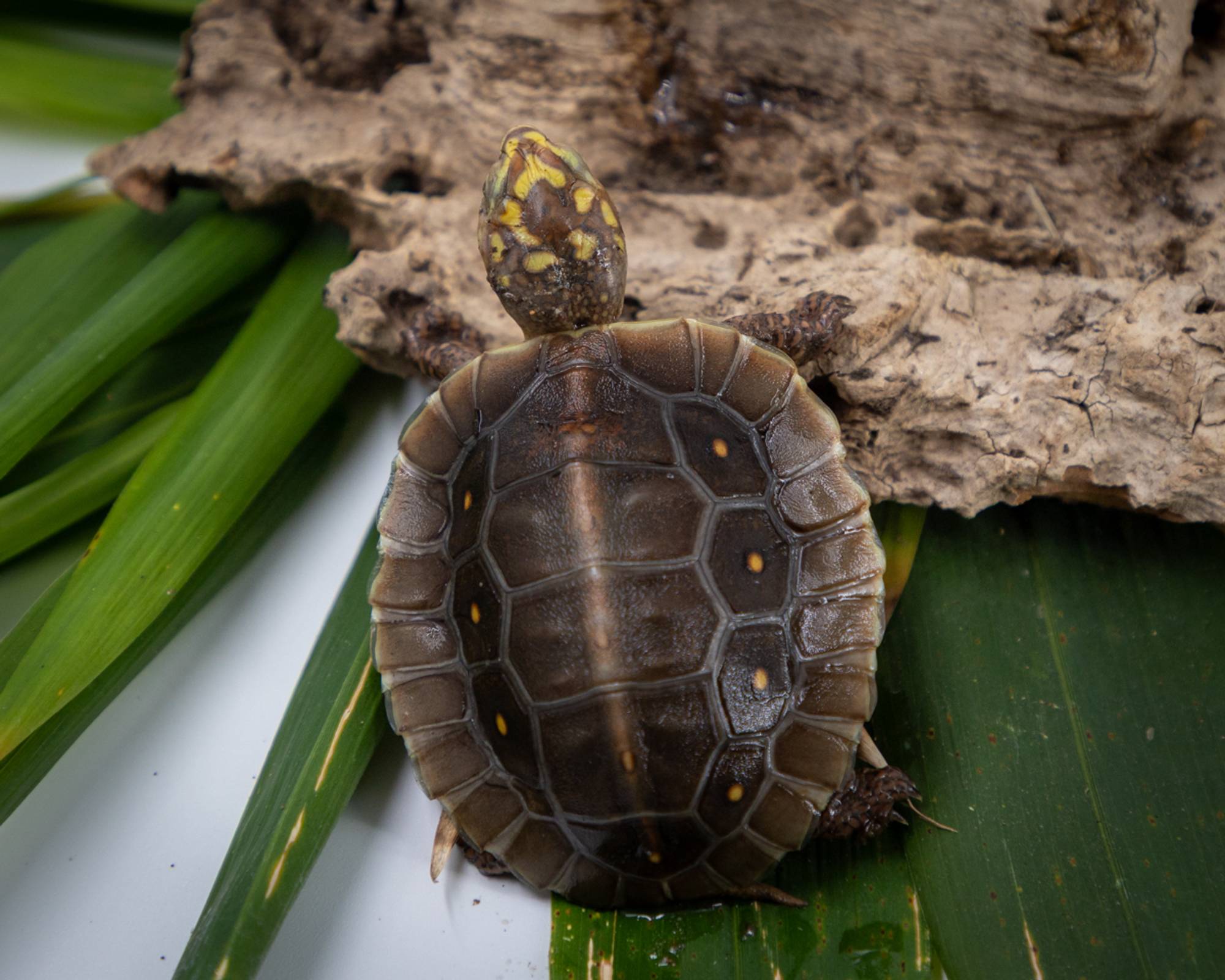
Photo by Hallie Hoffman
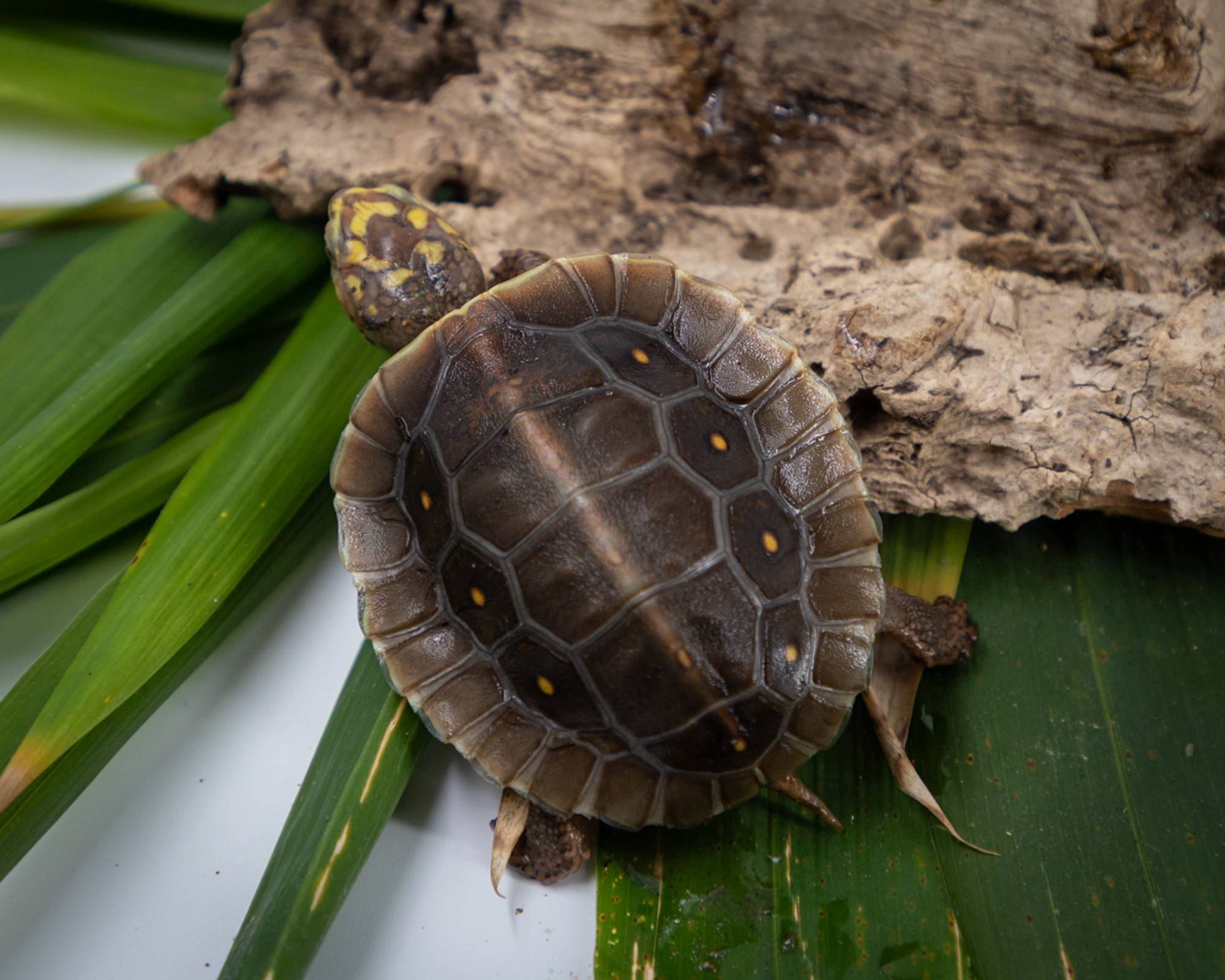
Photo by Hallie Hoffman
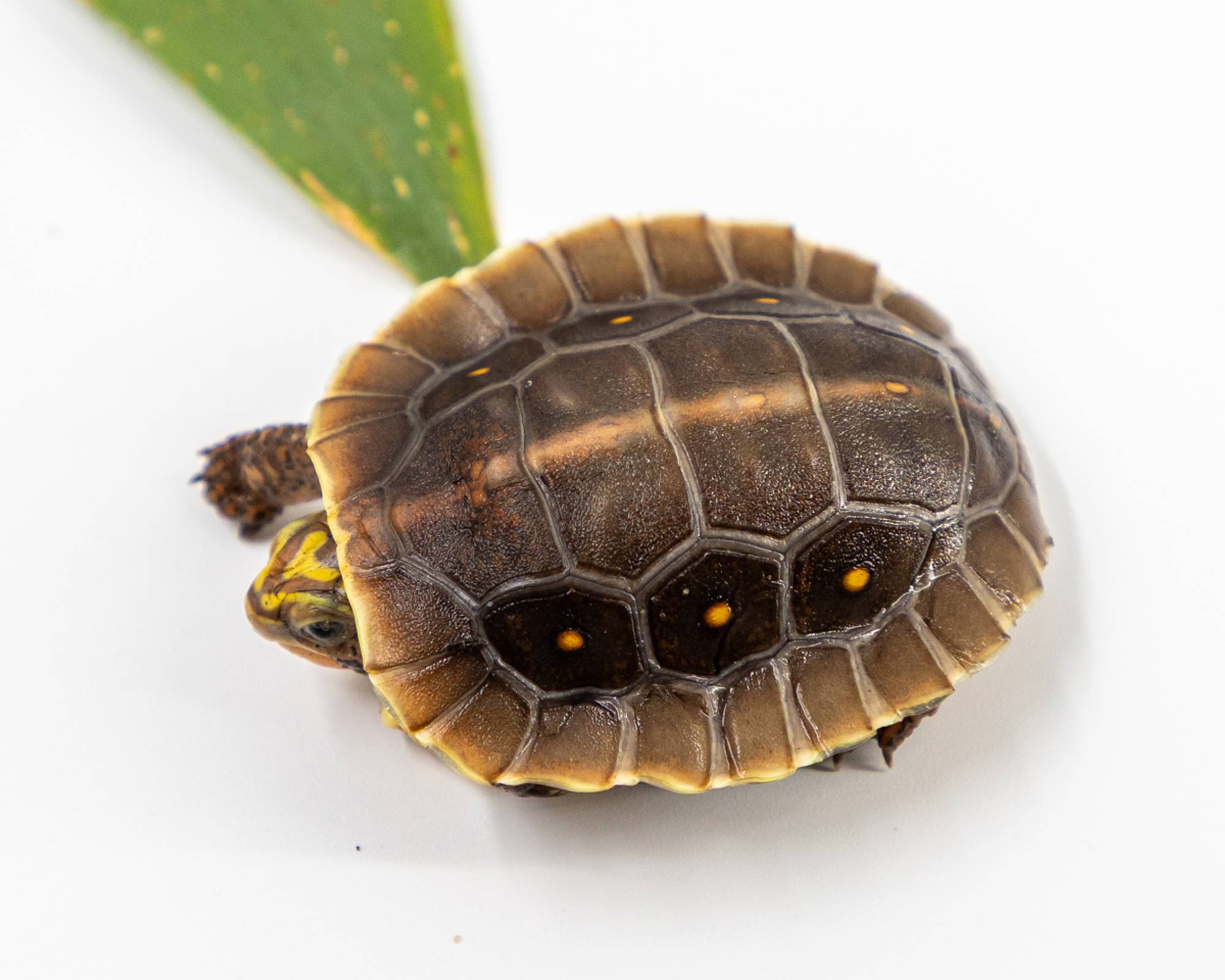
Photo by Hallie Hoffman
Photo by Hallie Hoffman
Photo by Hallie Hoffman
Photo by Hallie Hoffman
Photo by Hallie Hoffman
Photo by Hallie Hoffman
Photo by Hallie Hoffman
