Wildlife Trade Confiscations
STATUS
Ongoing
Region
Region Worldwide
Protected Species
Multiple Species
About the Program
The Turtle Conservancy fights the illegal turtle trade through confiscation management, breeding insurance colonies, and repatriation. TC has helped manage confiscations worldwide — in Palawan (2015) with Palawan Forest turtles (Siebenrockiella leytensis) and Madagascar (2018) with Radiated tortoises (Astrochelys radiata) to ongoing work with Kadoorie Farm and Botanic Garden in Hong Kong to preserve species like the Ploughshare Tortoise. In the US, TC partners with the AZA SAFE American Turtle Program, the AZA Wildlife Confiscation Network, USFWS, and CDFW to combat trafficking in native American species like Box, Wood, and Spotted turtles. Since 2017, TC has taken in 810 turtles across 20 species, at an estimated cost of $250,000 per 100 animals per year.
Fighting the Illegal Turtle Trade
The Turtle Conservancy combats wildlife trafficking through confiscation management, insurance breeding colonies, and repatriation - working on the front lines from Palawan to Madagascar to Hong Kong, and partnering with USFWS and CDFW to protect native species like Box, Wood, and Spotted turtles here at home. Since 2017, we've taken in 810 turtles across 20 species, at an estimated operational cost of $250,000 a year. This critical, costly work depends on support like yours.
Your donation helps give trafficked turtles a second chance.
Fundraising Goal: $1,000,000
To support confiscation management and repatriations
Donate Now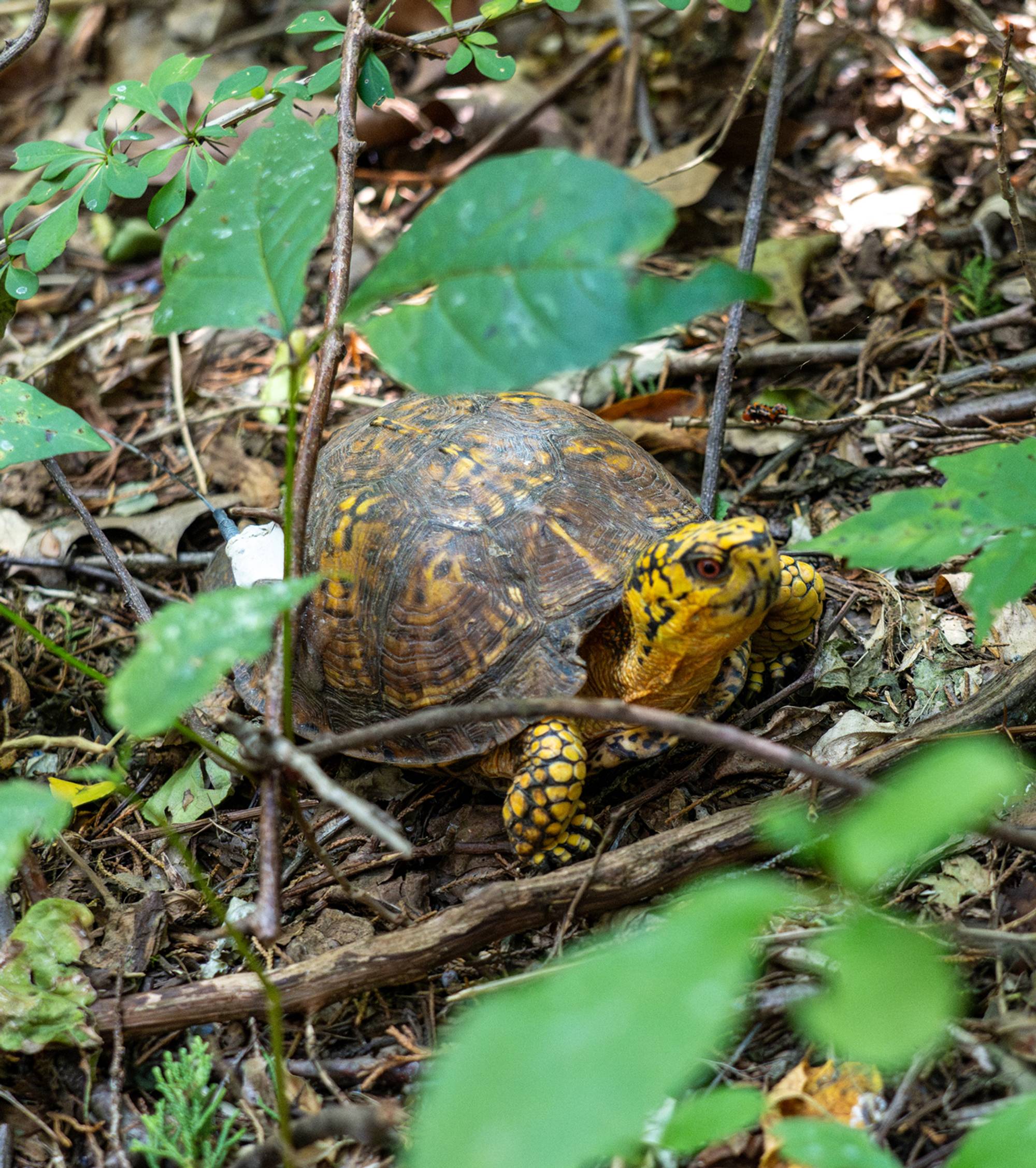
While confiscations used to seize exotic species coming into the US, we are witnessing changes with a large majority of US species being confiscated on their way out of the country. The confiscations, happening more frequently, also have higher and higher numbers of animals.
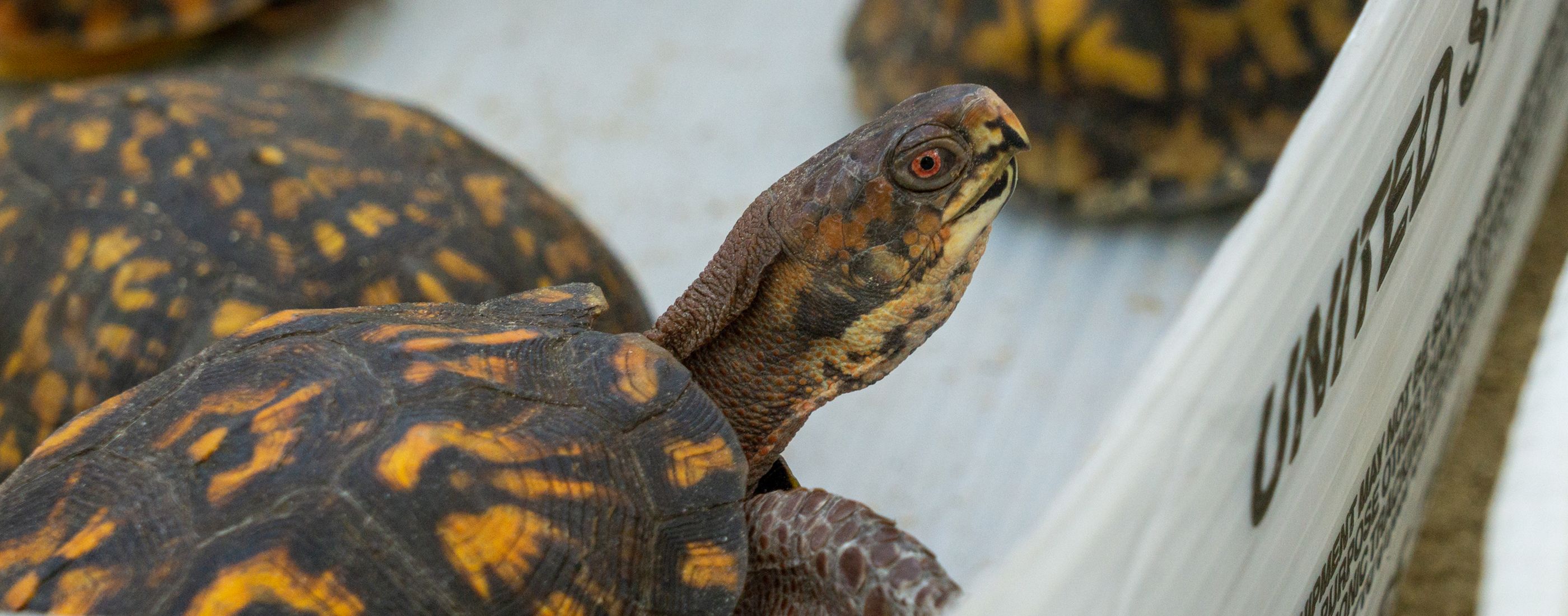
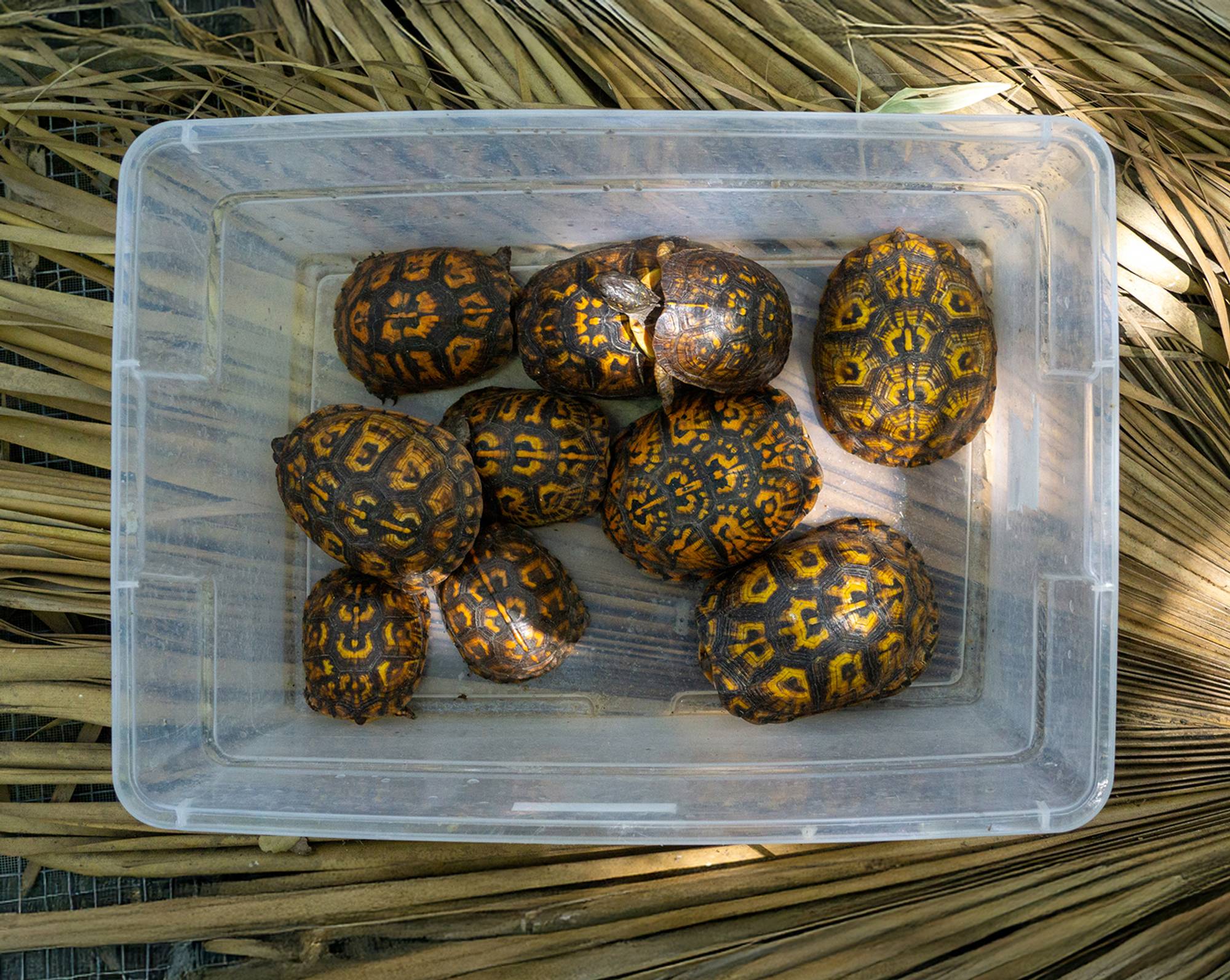
TC works directly with USFWS to triage new confiscations and identify seized turtles monthly — including 900+ turtles intercepted at LAX in December 2025 en route from Mexico to China. In 2024, TC repatriated its first confiscated animals: 38 Eastern Box Turtles, released in New Jersey with co-founder Maurice Rodrigues, with more planned with the Knoxville Zoo. A $150,000 AZA-USFWS grant in 2026 is funding greater rescue capacity — timely, as TC just took in its largest confiscation yet: 291 three-toed box turtles (Terrapene triunguis), seized by USFWS from an attempted illegal shipment on July 15, 2026. Packed in socks for weeks, most arrived stressed and starved, with more than 10% in critical condition. The healthiest are already settling into a new 1,440 square foot greenhouse habitat, while Dr. Brad Shaffer of UCLA collects genetic samples to trace their origin — the same science behind the 2024 repatriation. If most can be returned to the wild, it would be the largest release of its kind in U.S. history.
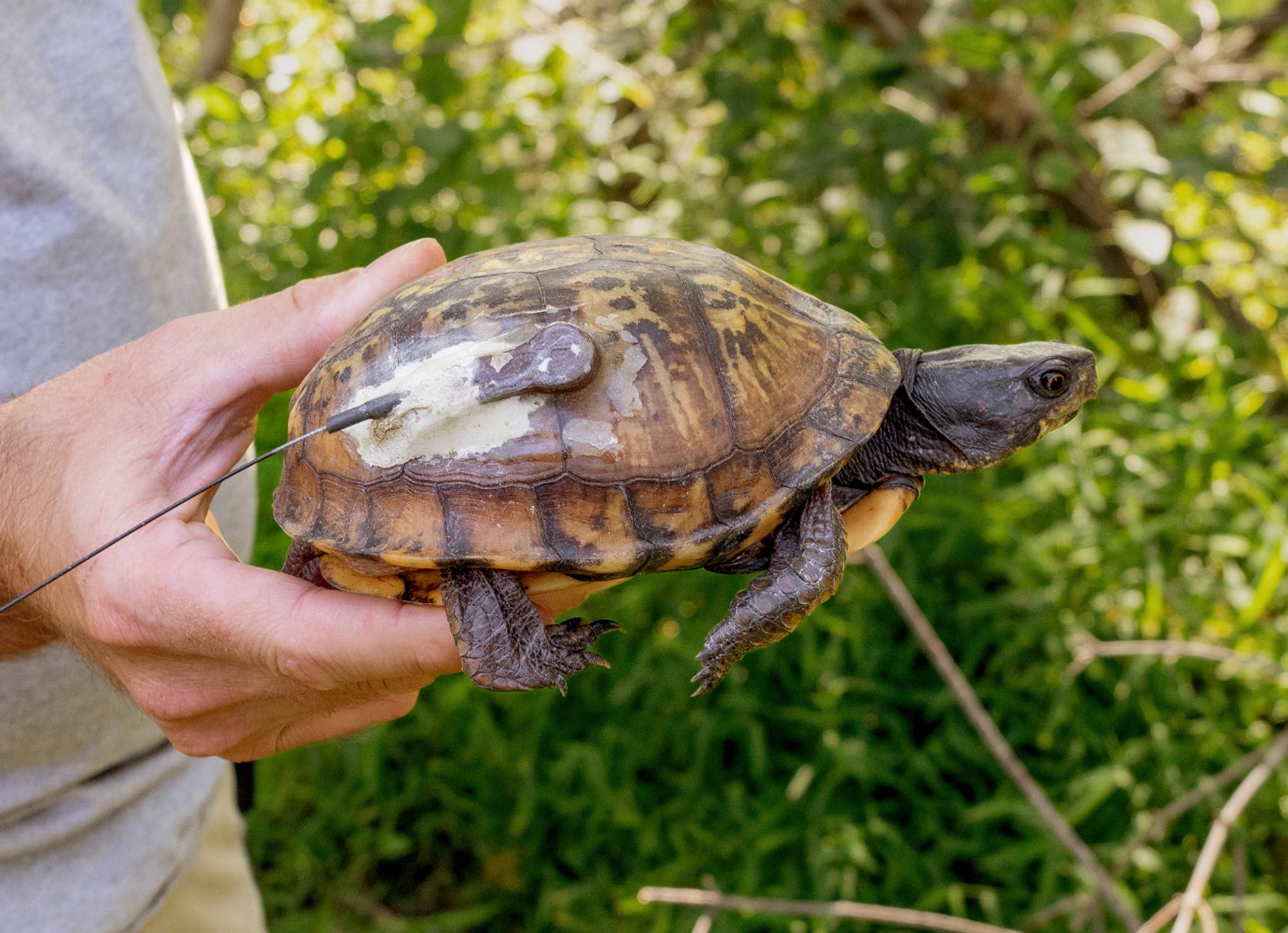
Confiscated Eastern Box turtle equipped with a transmitter to track its movements post release
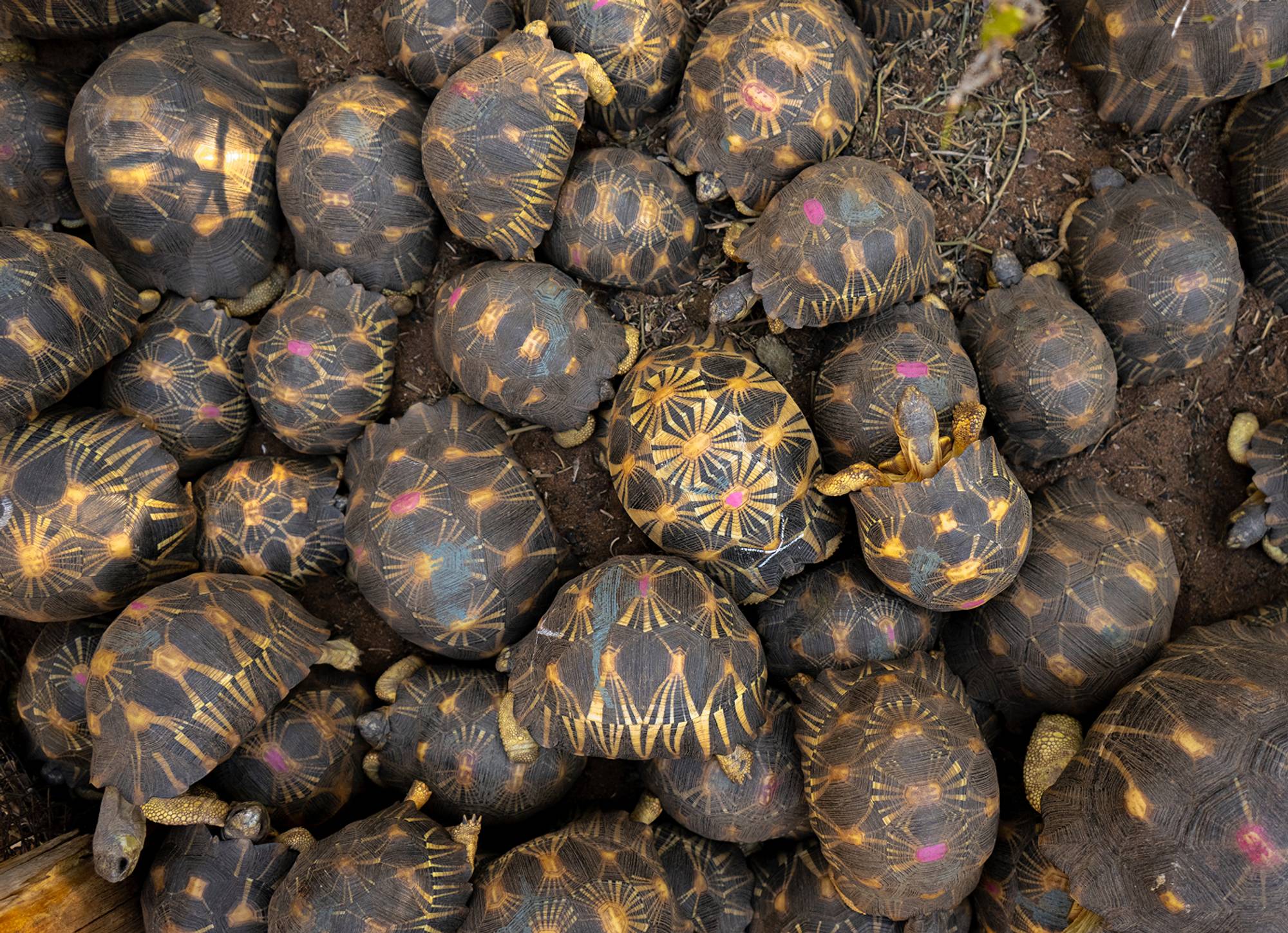
Confiscated Radiated tortoises (Astrochelys radiata) in Madagascar
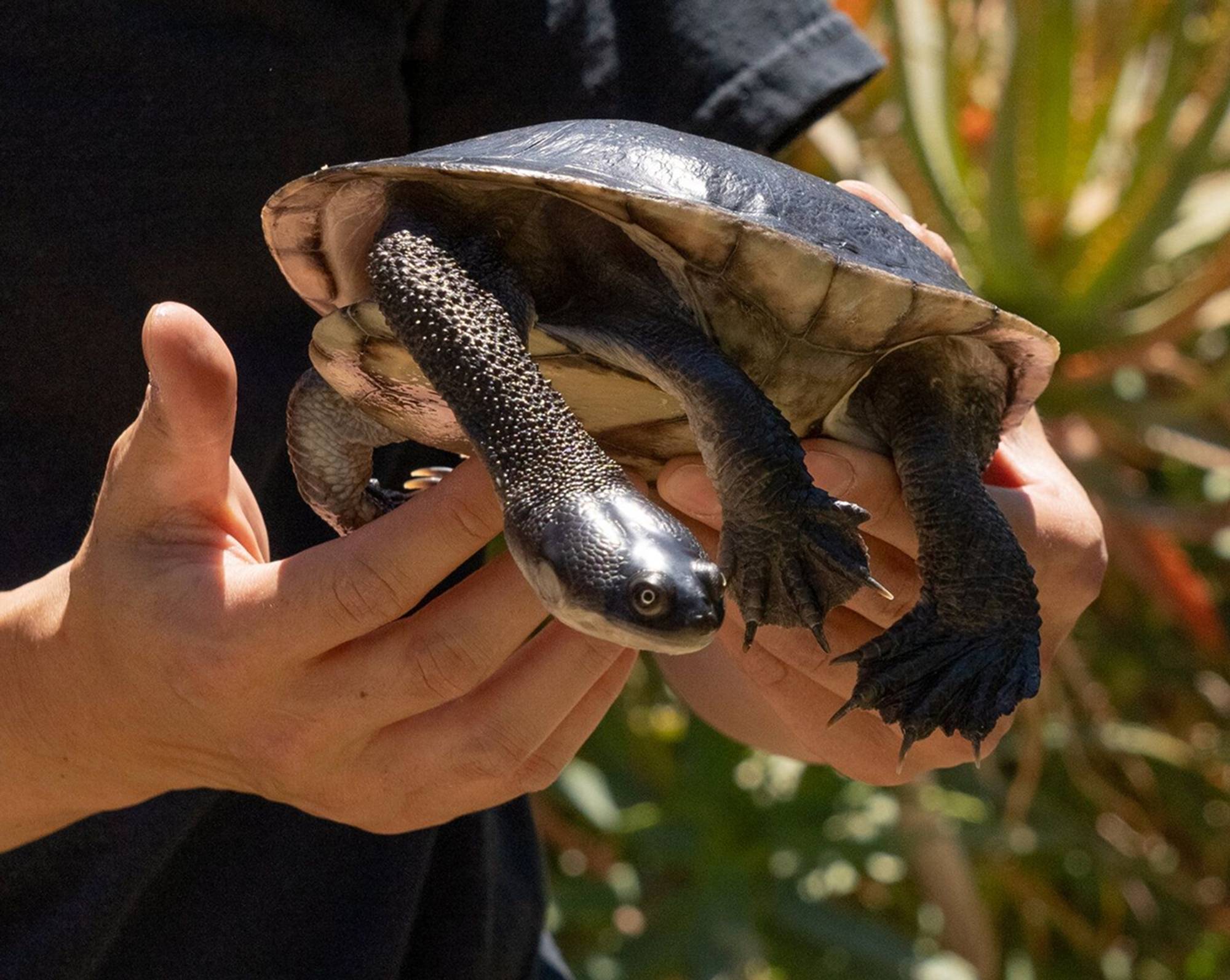
Rote Island Snake-neck turtle (Chelodina mccordi)
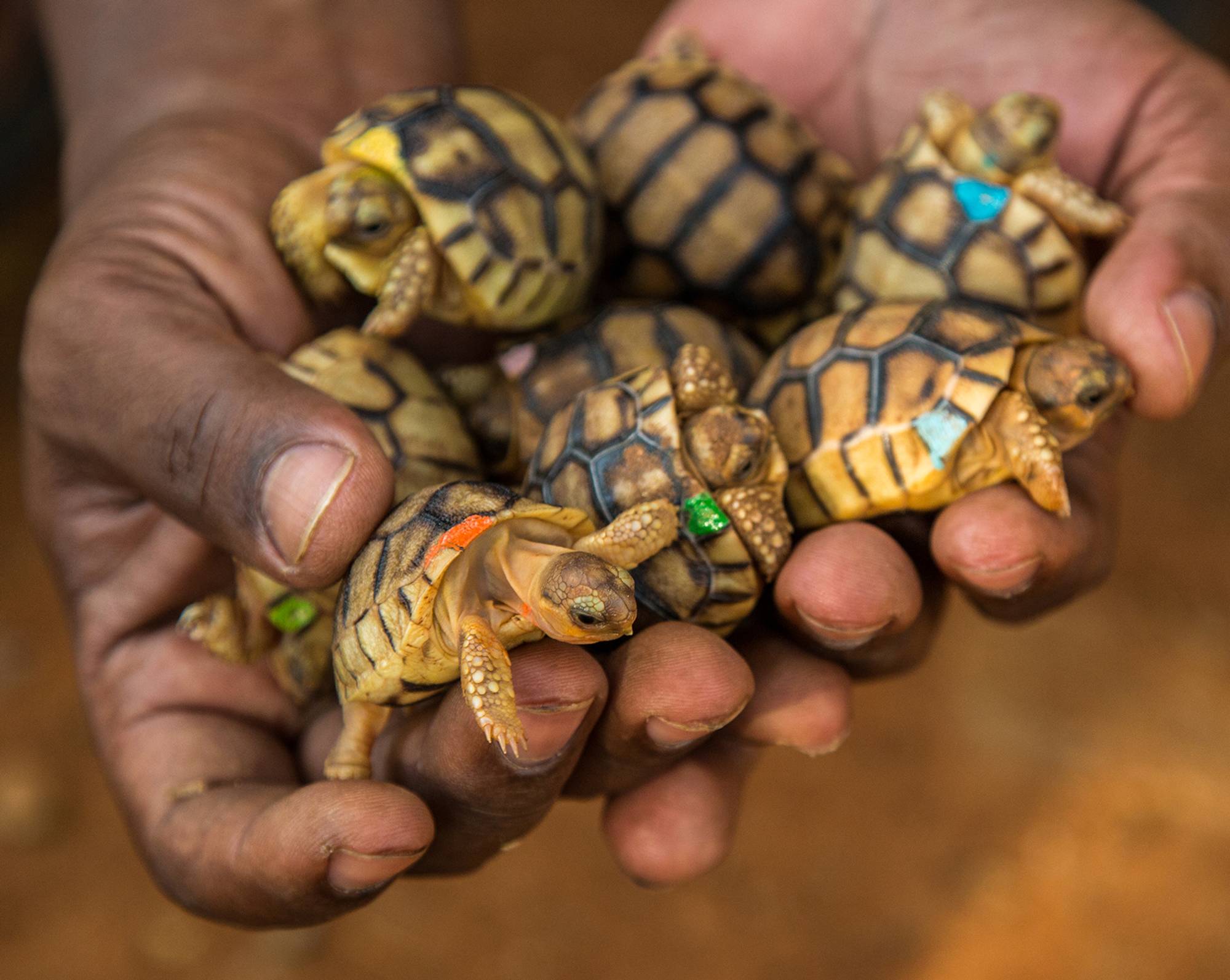
Juvenile Ploughshare Tortoises (Astrochelys yniphora) from Madagascar
Conservation By The Numbers:
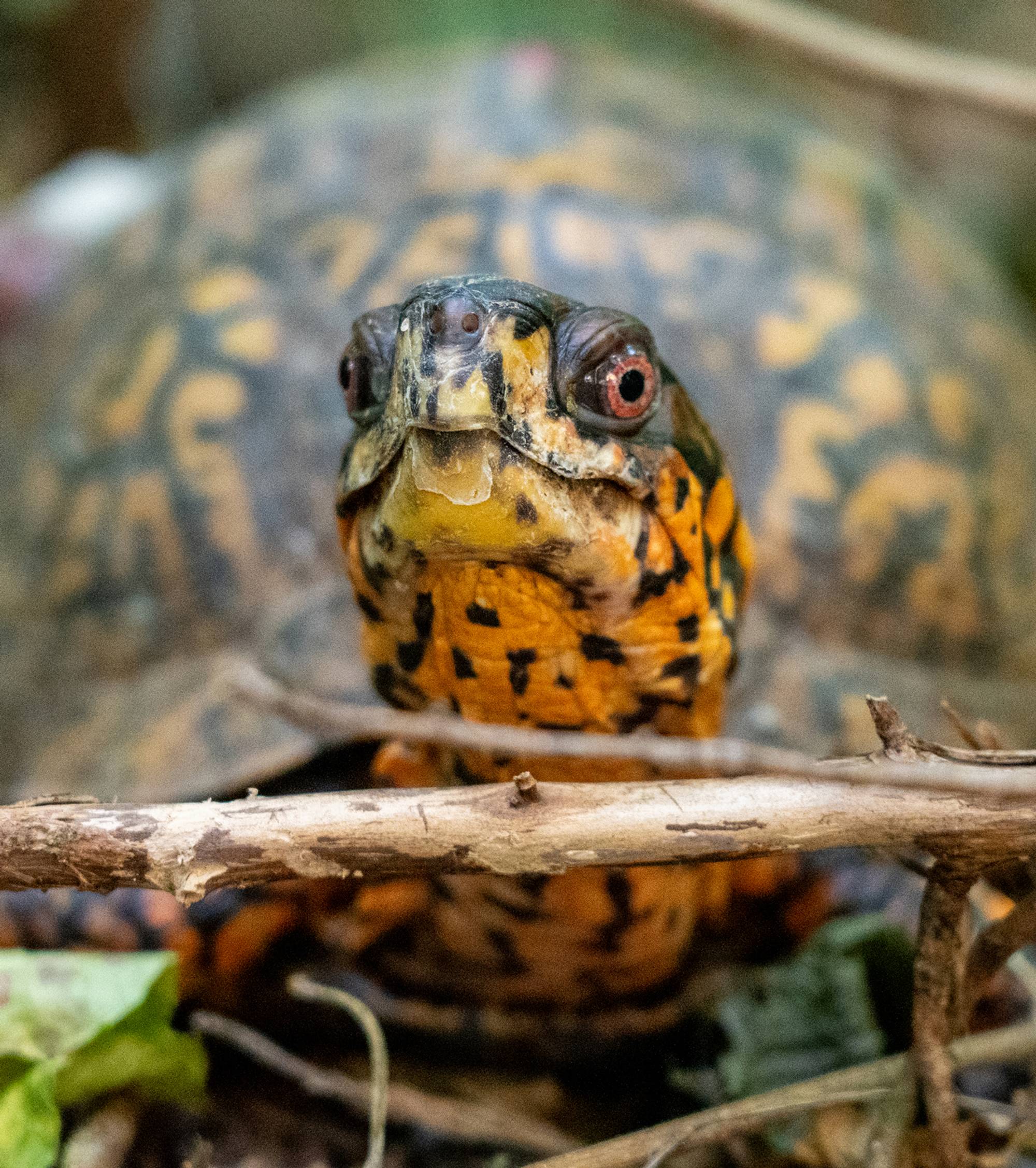
.
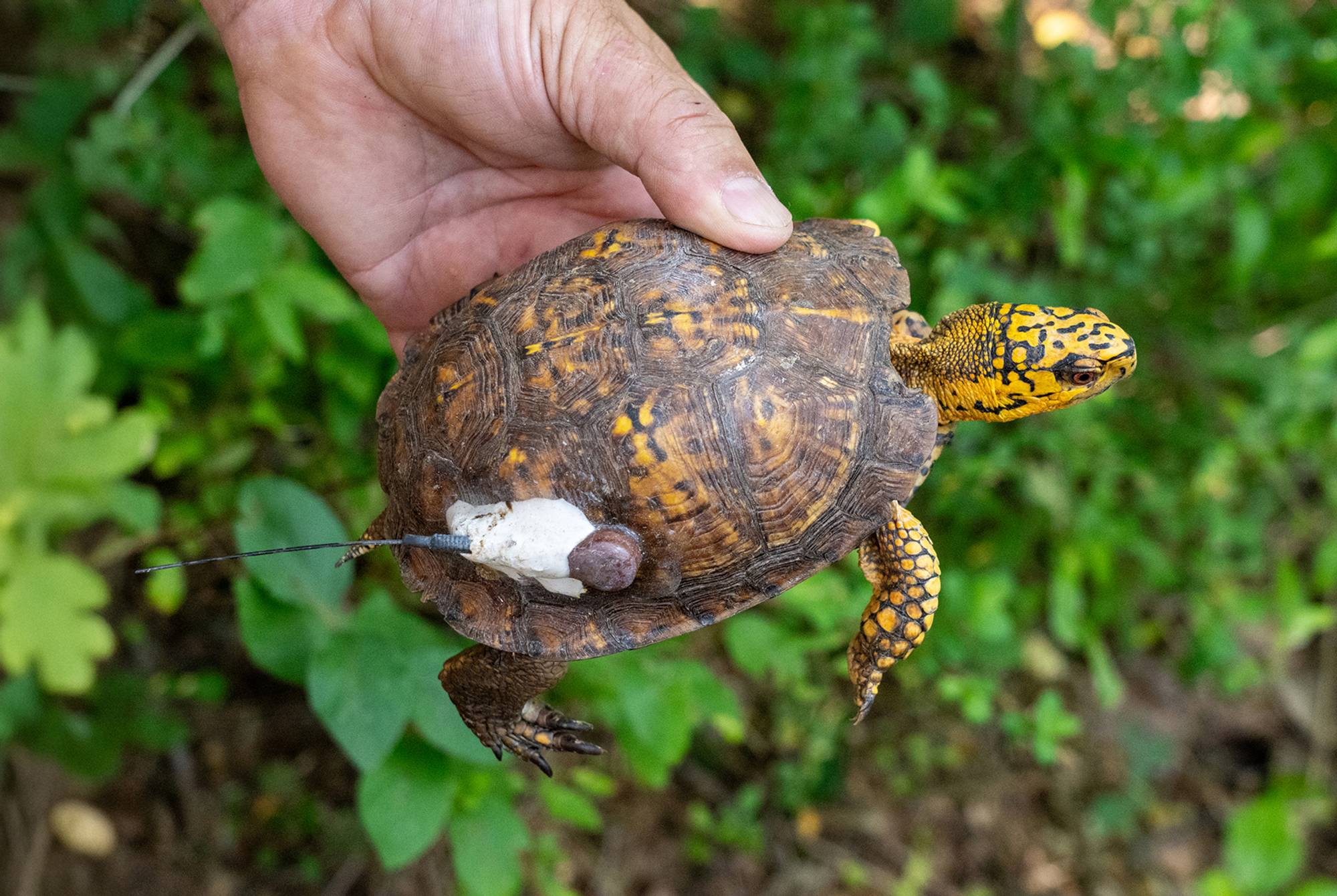
A confiscated Eastern Box Turtle (Terrapene carolina) equipped with a transmitter ready to be released
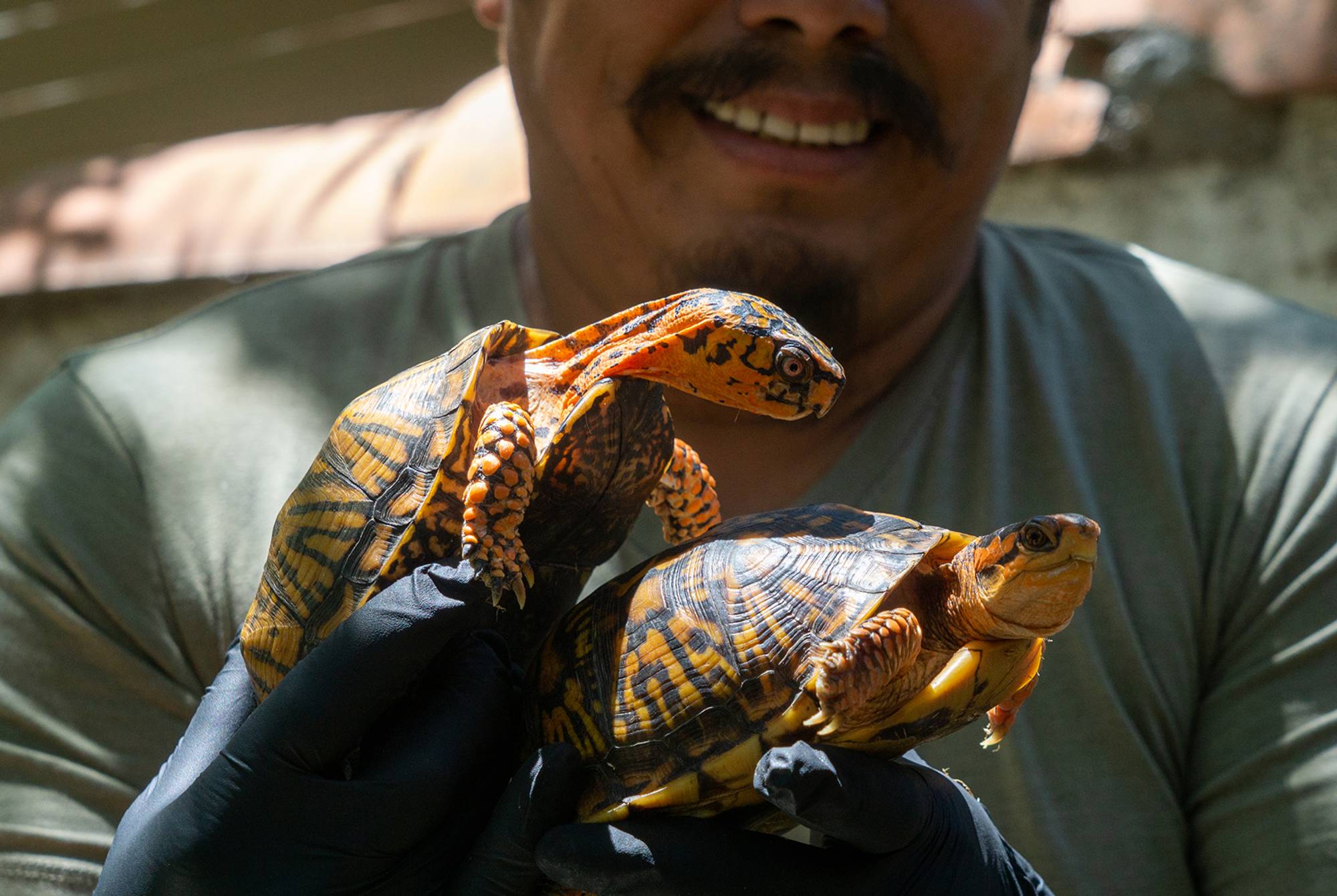
Two confiscated Eastern Box Turtles arriving at the conservation center in California
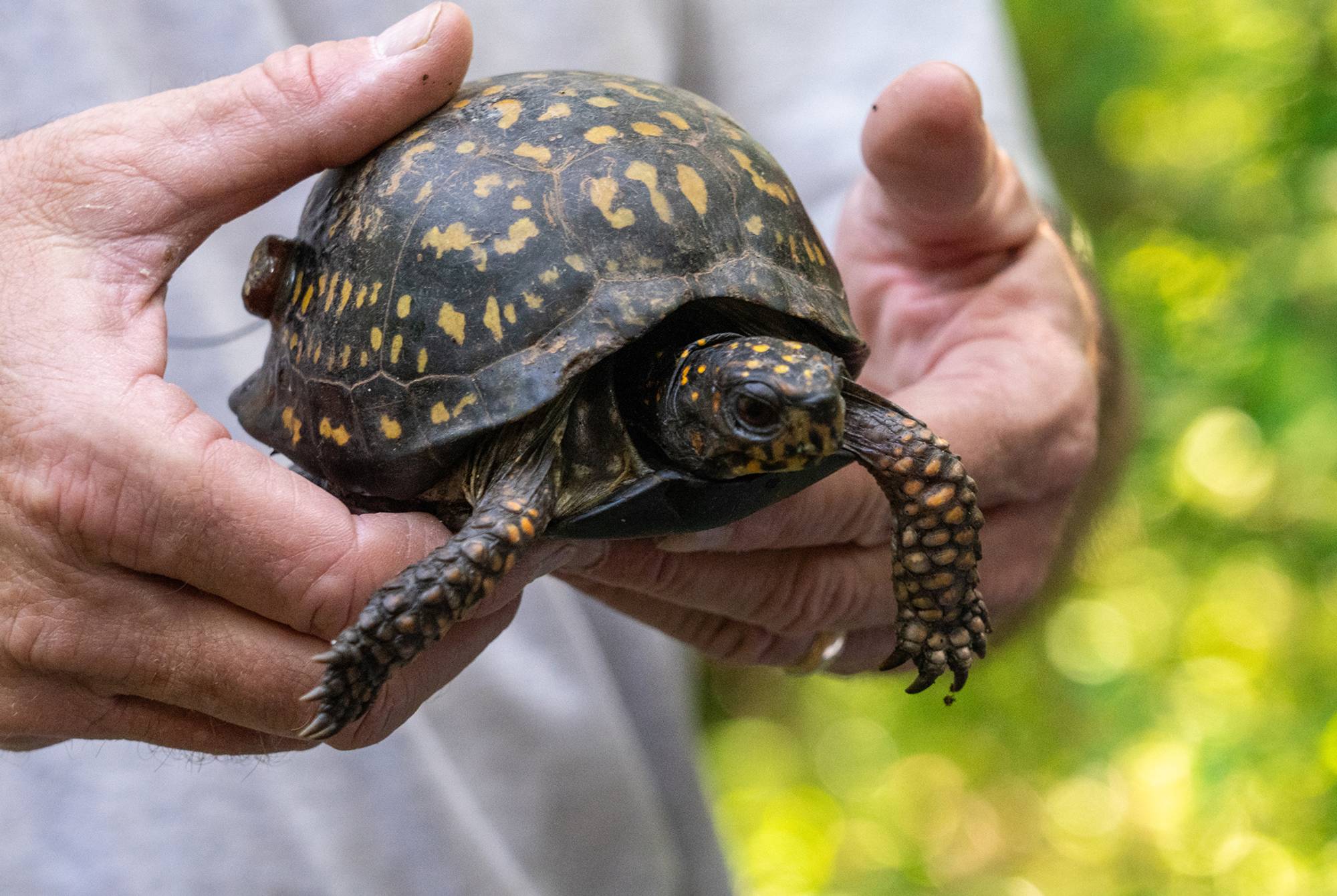
Confiscated turtle ready to be released in the wild
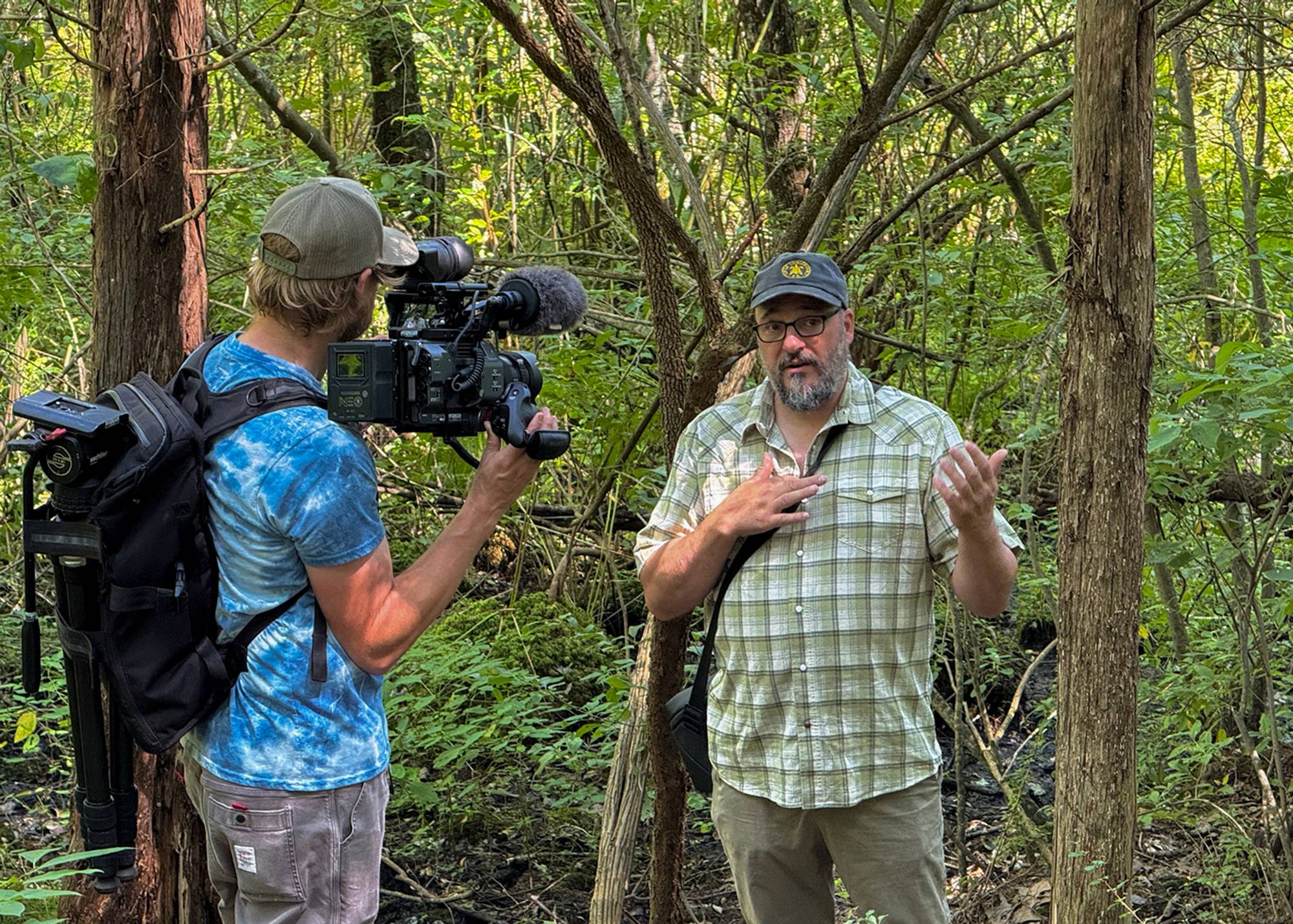
TC’s co-founder, Maurice Rodrigues coordinating the release of confiscated turtles
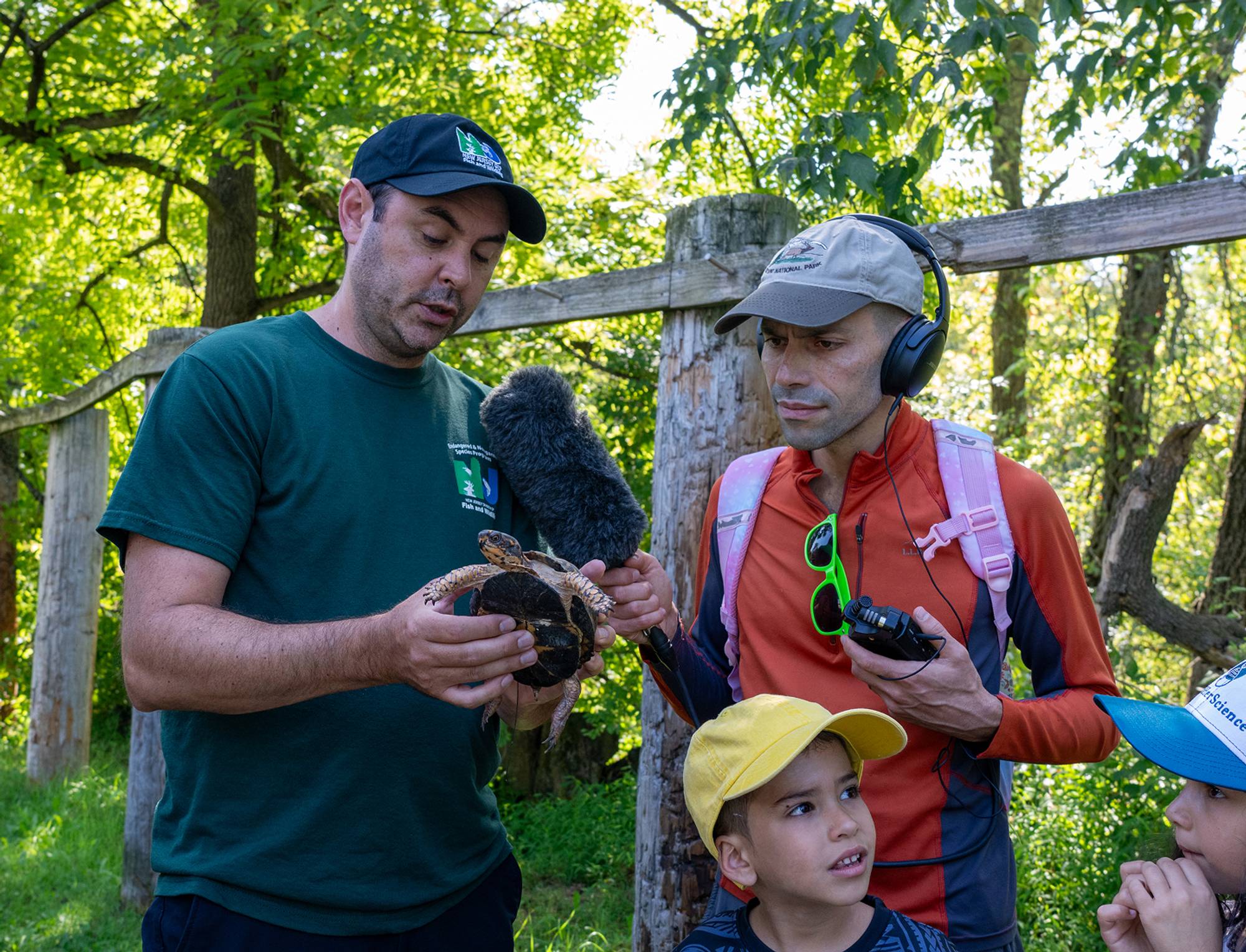
NPR journalists covering the first release of the confiscated turtles
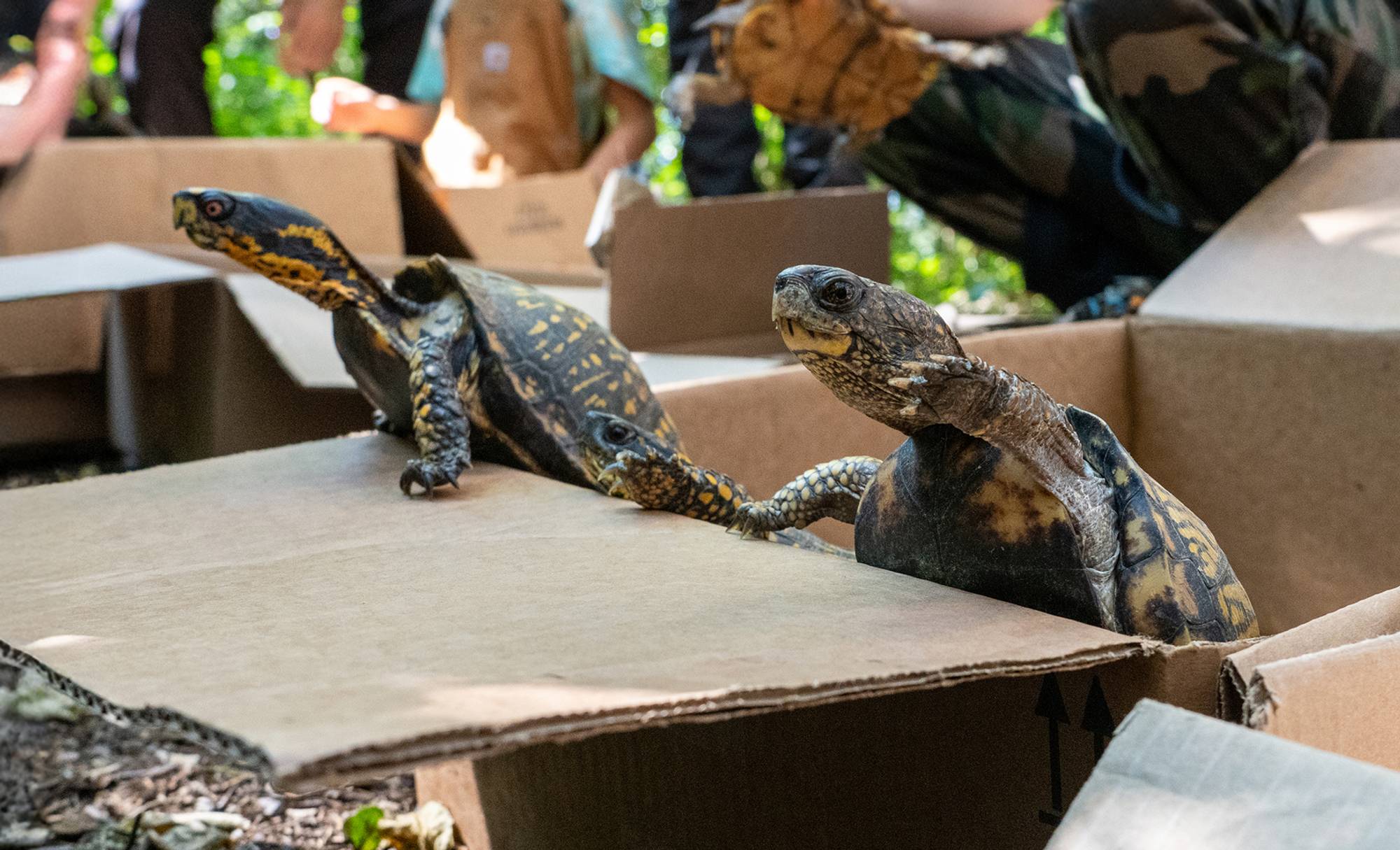
Turtles happy to be back in their habitat
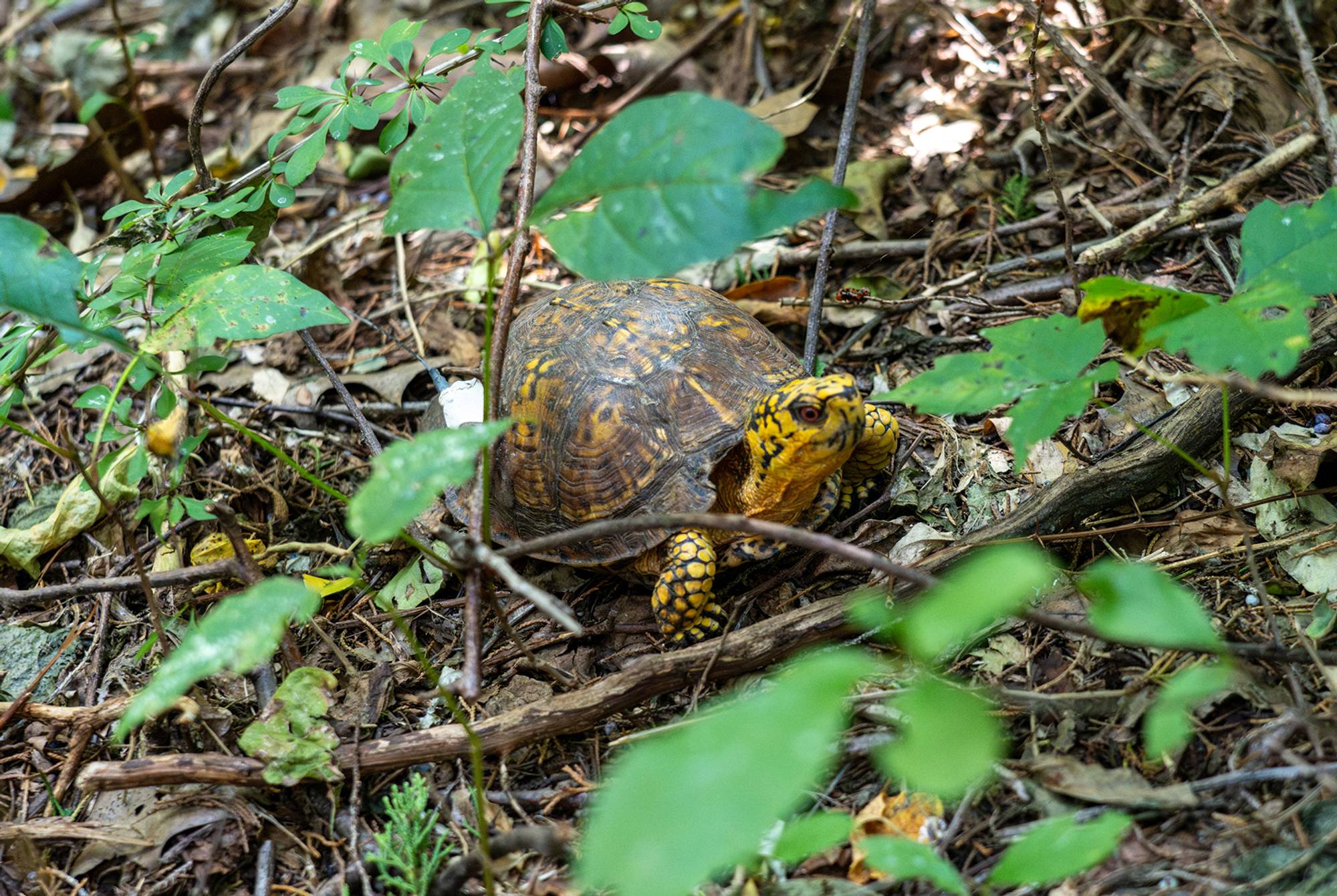
Turtles happy to be back in their habitat
If you ever want a turtle, please buy legal, captive-bred animals. Buying or adopting a turtle is a major commitment that requires research about their care. You can report any suspicious illegal activity to the Turtle Conservancy.
Partners