400 Turtles in 60 Days: Inside the Largest Rescue in Our History
More Confiscated Turtles Are Arriving at TC Than Ever Before
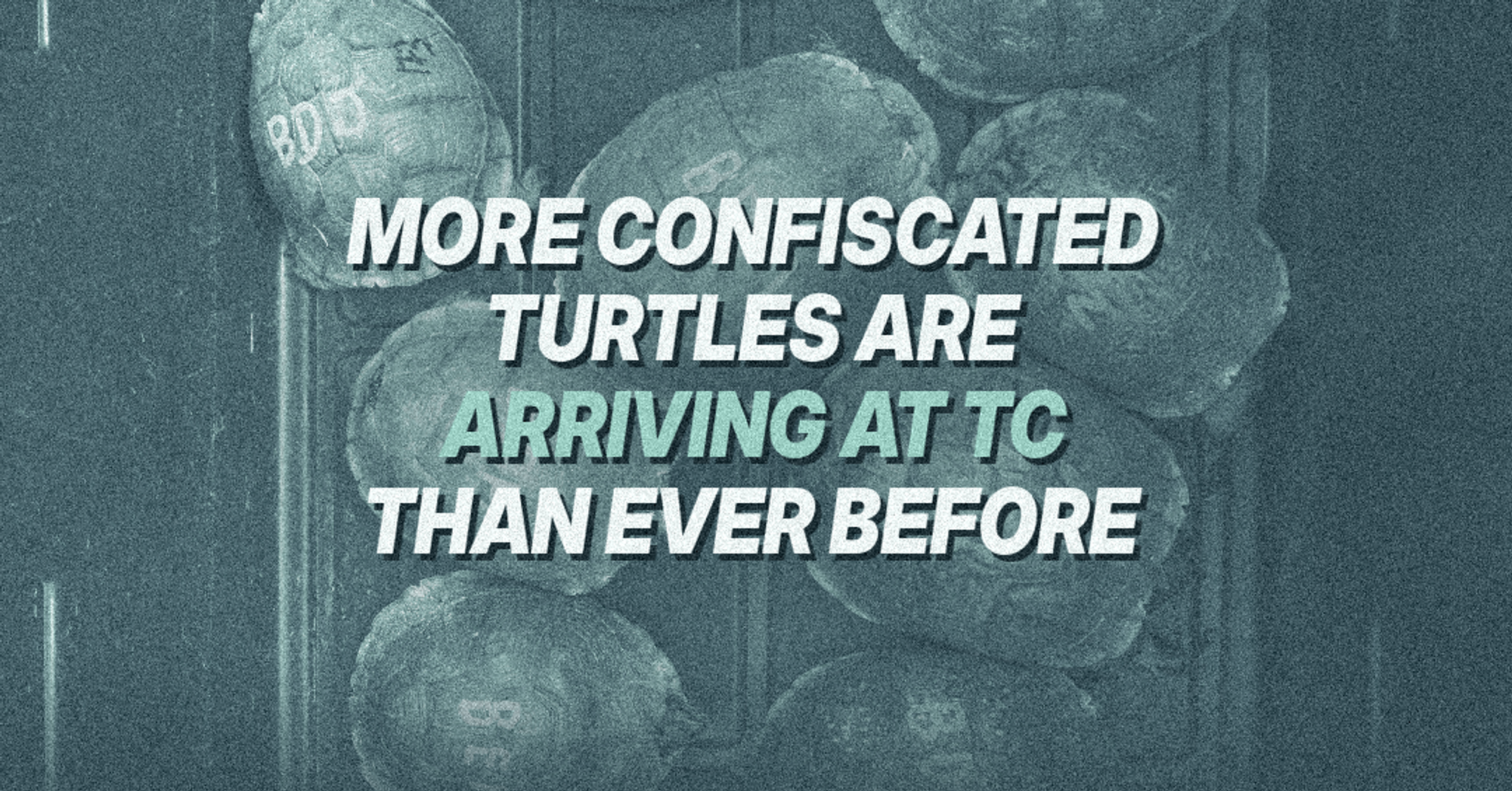
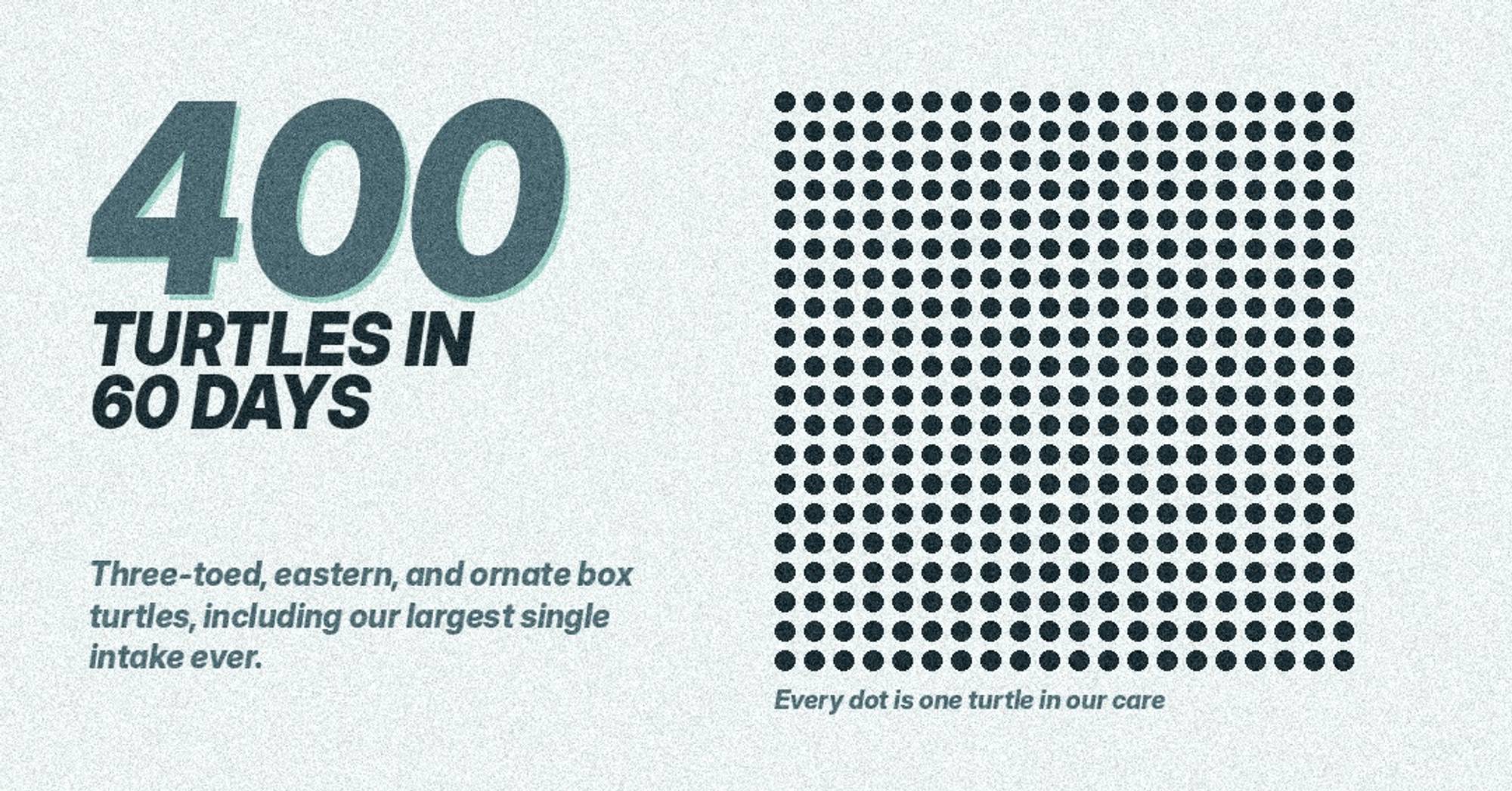
In the last two months, 400 confiscated turtles have arrived at the Turtle Conservancy Conservation Center in Ojai. Among them is the largest single confiscation we have ever received.
They are three species of North American box turtle: three-toed box turtles (Terrapene triunguis), eastern box turtles (Terrapene carolina), and ornate box turtles (Terrapene ornata). All were seized by the U.S. Fish and Wildlife Service from illegal shipments headed to Asia. They came to us the way trafficked turtles almost always do: packed tightly into boxes, dehydrated, unfed, and weak. Some had gone days without water. Some were injured. All of them had been pulled from the forests, prairies, and fields where they were born.
Every one of them is now in our care. This is the story of how they got here, why it's happening now, and what it will take to get them home.
Why a turtle is worth smuggling
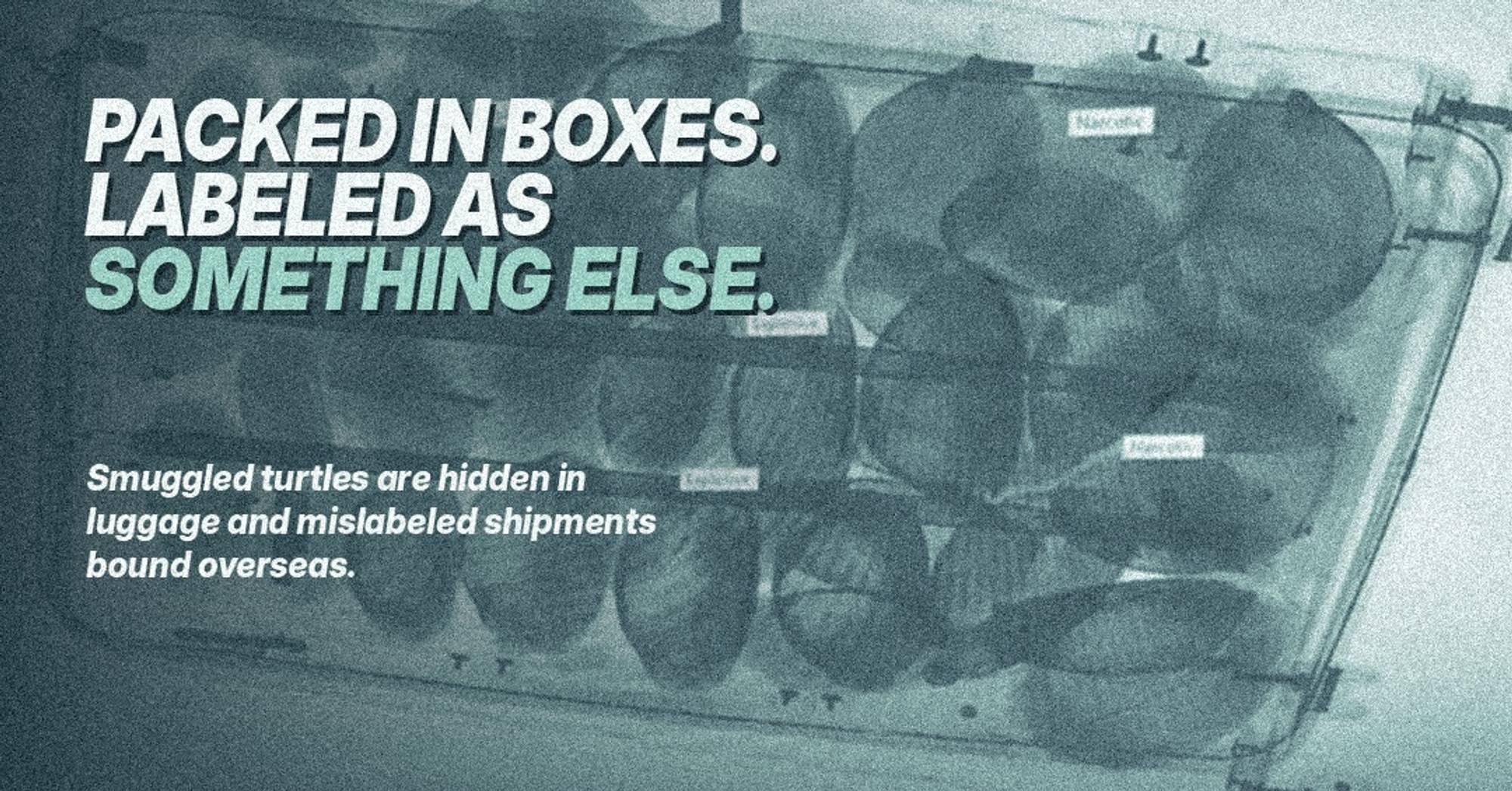
To a trafficker, an American box turtle is a product. In overseas pet markets, native North American species are prized as exotic and can sell for many times what a poacher is paid to collect them. Box turtles are easy to find, easy to pick up, and easy to hide in a shipment labeled as something else.
That combination makes them a perfect target, and a terrible one to lose.
Box turtles are built for a slow life. They can live well past 70 years, and some individuals have lived more than a century. Females take roughly 7 to 10 years to reach maturity, and they lay only a handful of eggs a year, most of which never survive to adulthood. A population depends on its long-lived adults producing young, year after year, for decades.
That means a wild population cannot bounce back from poaching. Scientists studying turtle demography have shown that removing even a few adults each year can push a local population into decline. When a poacher clears out a single woodland, it can take a generation or more to recover, if it recovers at all.
Why we're seeing a spike
The surge at our Conservation Center reflects two forces at once. Demand for North American turtles in the overseas pet trade has not slowed. At the same time, federal and state wildlife officers are getting better at intercepting these shipments before they leave the country.
The trade behind these shipments is organized and well funded. In May, federal prosecutors charged a Louisiana man with poaching more than 1,800 protected musk and mud turtles from Florida waterways over two years. According to the indictment, a San Francisco exporter financed his poaching trips, even sending money for a boat and a van. He allegedly told USFWS the turtles were captive-bred to get them out of the country. Investigators valued them at more than $550,000.
Better enforcement is the good news. Every box that is opened at a port or a mail facility is a box of turtles that didn't disappear into the trade. But each seizure creates an urgent question: where do hundreds of living, stressed, often sick animals go next?
That's where the Turtle Conservancy comes in. As a founding member of the coalition that helps law enforcement identify, triage, and care for confiscated turtles, we take them in, sometimes on a few hours' notice.
What happens when they arrive
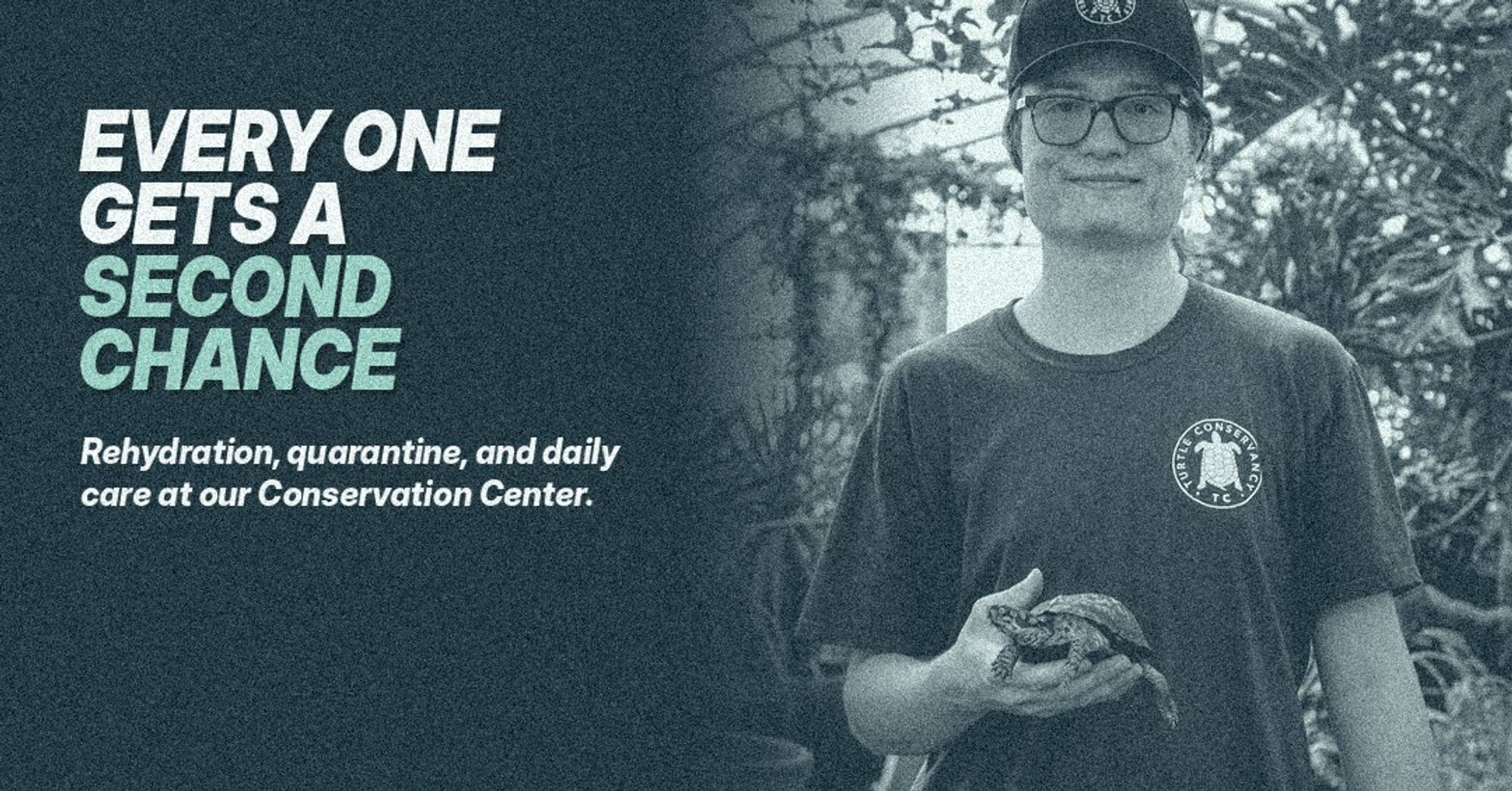
The first days are about survival. Our keepers soak every turtle to rehydrate it, check it for injuries, and start a careful refeeding plan. Animals held in crowded, filthy conditions can carry pathogens such as ranavirus and Mycoplasma, so every new arrival goes into quarantine. That protects the rest of our animals, and it protects the wild populations these turtles may one day rejoin.
Then comes the slower work: helping them heal. Trafficked turtles arrive stressed and frightened. Some won't eat at first. Some are missing limbs from injuries in the wild or in transit. Our team gives each one the time and space to recover, on its own schedule.
One of the eastern box turtles you may have met on our social channels is thriving despite missing her front feet. She is a reminder that these are individuals, not inventory.
What's next: getting them home
Our goal for every confiscated turtle is the same: return it to the wild, where it belongs, when it is safe to do so.
We know it can be done. In 2024, the Turtle Conservancy repatriated American turtles to the wild in New Jersey for the first time, after they had been confiscated in California. That release was the work of many partners: New Jersey Fish and Wildlife, USFWS, Northeast Partners in Amphibian and Reptile Conservation, and the Association of Zoos and Aquariums.
But releasing a box turtle isn't as simple as opening a box in the nearest forest. Box turtles are deeply tied to place. They spend their lives in a small home range and have a strong drive to return to it. A turtle released far from home may wander for miles trying to get back, crossing roads and failing to settle. Releasing turtles into the wrong population can also introduce disease or mix genetic lineages that evolved apart for thousands of years.
So before any of these 400 turtles can go home, we have to answer a hard question: where is home?
Reading the map in their DNA
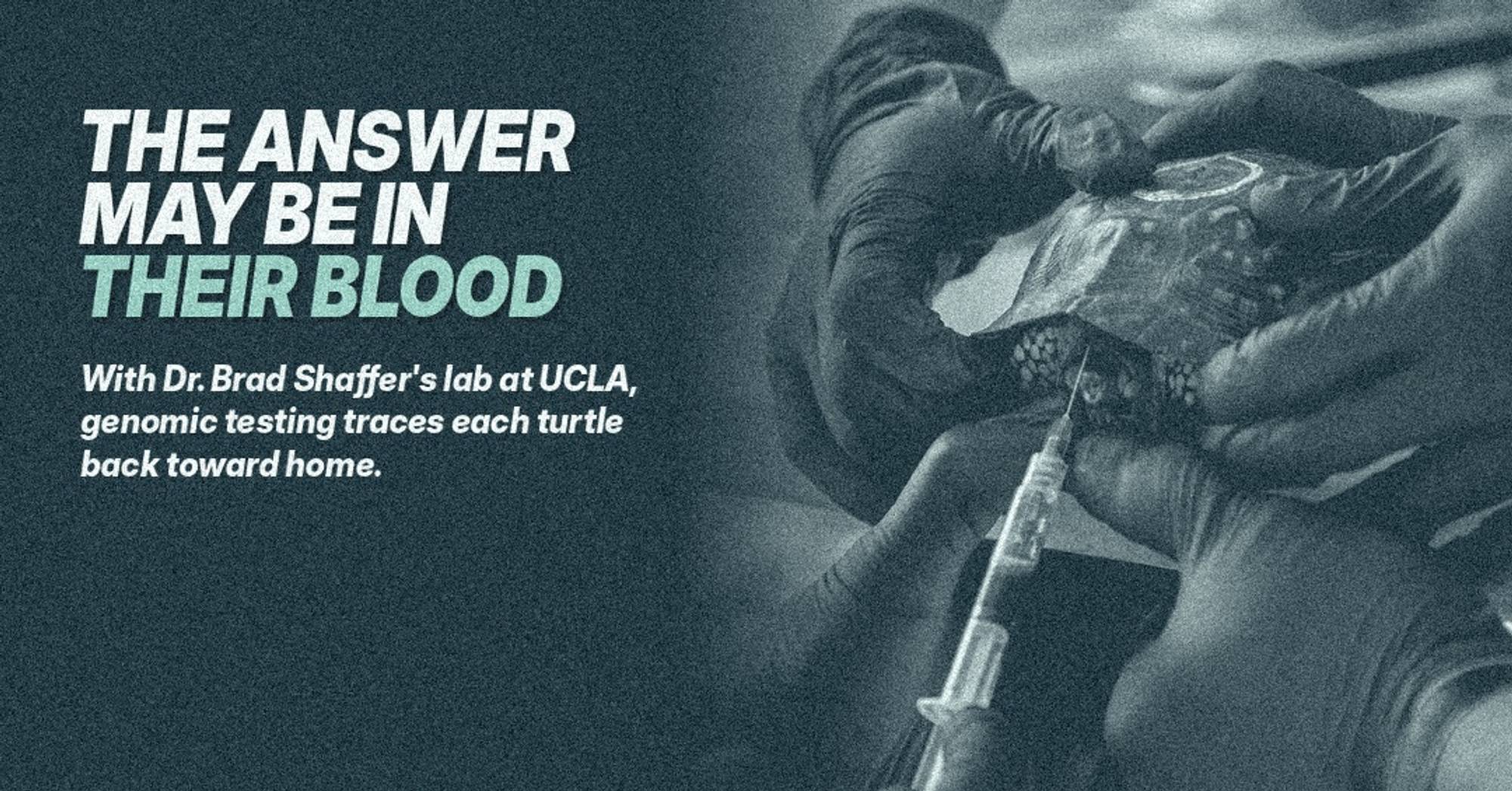
That's where science comes in. We're partnering with Dr. Brad Shaffer at UCLA on genomic testing of our confiscated turtles. Every population carries a genetic signature shaped by its geography. By reading those signatures, researchers can trace a seized turtle back toward the region it was taken from.
This work does more than guide releases. It can show where poachers are operating, which populations are being hit hardest, and how trafficking routes connect. That information helps wildlife officers target enforcement where it matters most.
We'll be sharing much more about this research soon, including what the DNA is already telling us. Stay tuned.
What we need from you
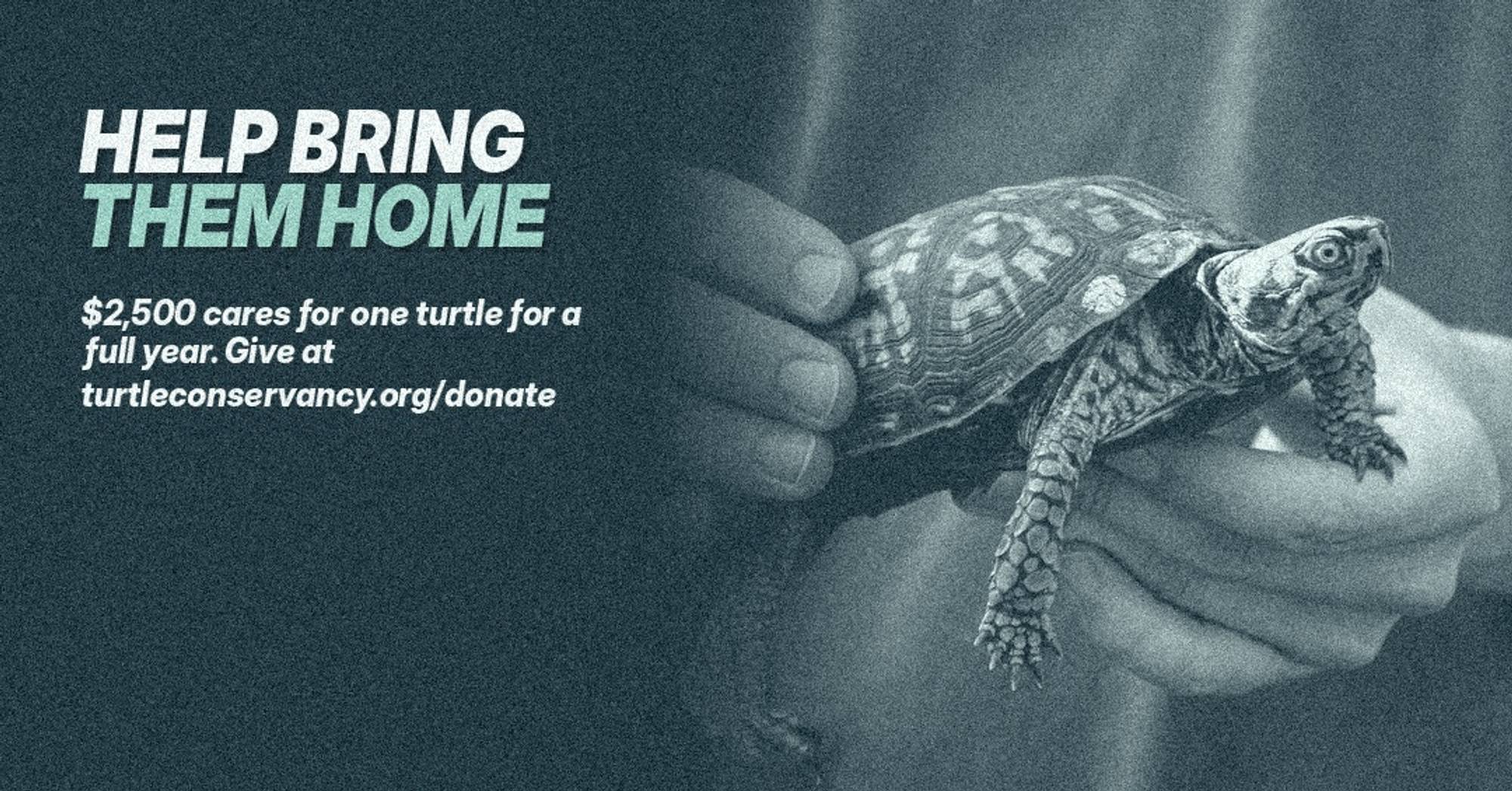
Caring for 400 turtles at once is the biggest challenge our Conservation Center has ever faced. It costs about $250,000 a year to care for every 100 turtles. For these 400 animals, that's roughly $1 million a year, or about $2,500 per turtle. That covers food, clean water, heat, veterinary care, quarantine space, and daily attention from our keepers. Genetic testing, permits, and repatriation trips come on top of that, and many of these animals could be with us for years before they can go home.
Here's how you can help:
- Donate. A gift of $2,500 cares for one turtle for a full year, and every amount helps. Your donation goes directly to food, veterinary care, and the long road home. Give here.
- Leave wild turtles in the wild. If you see a box turtle crossing a road, help it across in the direction it was heading, then let it be. Never take one home.
- Don't buy wild-caught turtles. If you keep turtles, buy only captive-bred animals from reputable sources, and ask for documentation.
- Keep sightings private. Don't post precise locations of wild turtles online. Poachers search social media and observation apps for exactly this information.
- Report suspicious activity. If you see someone collecting turtles in the wild or selling them, contact your state wildlife agency or the USFWS tip line.
- Share this story. The more people know about the turtle trade, the harder it is for it to stay hidden.
These 400 turtles survived something most of their kind never do. They were found. Now it's up to all of us to finish the journey and bring them home.
