Born to Be Wild: First Ploughshare Tortoises Bred Outside Madagascar for Rewilding
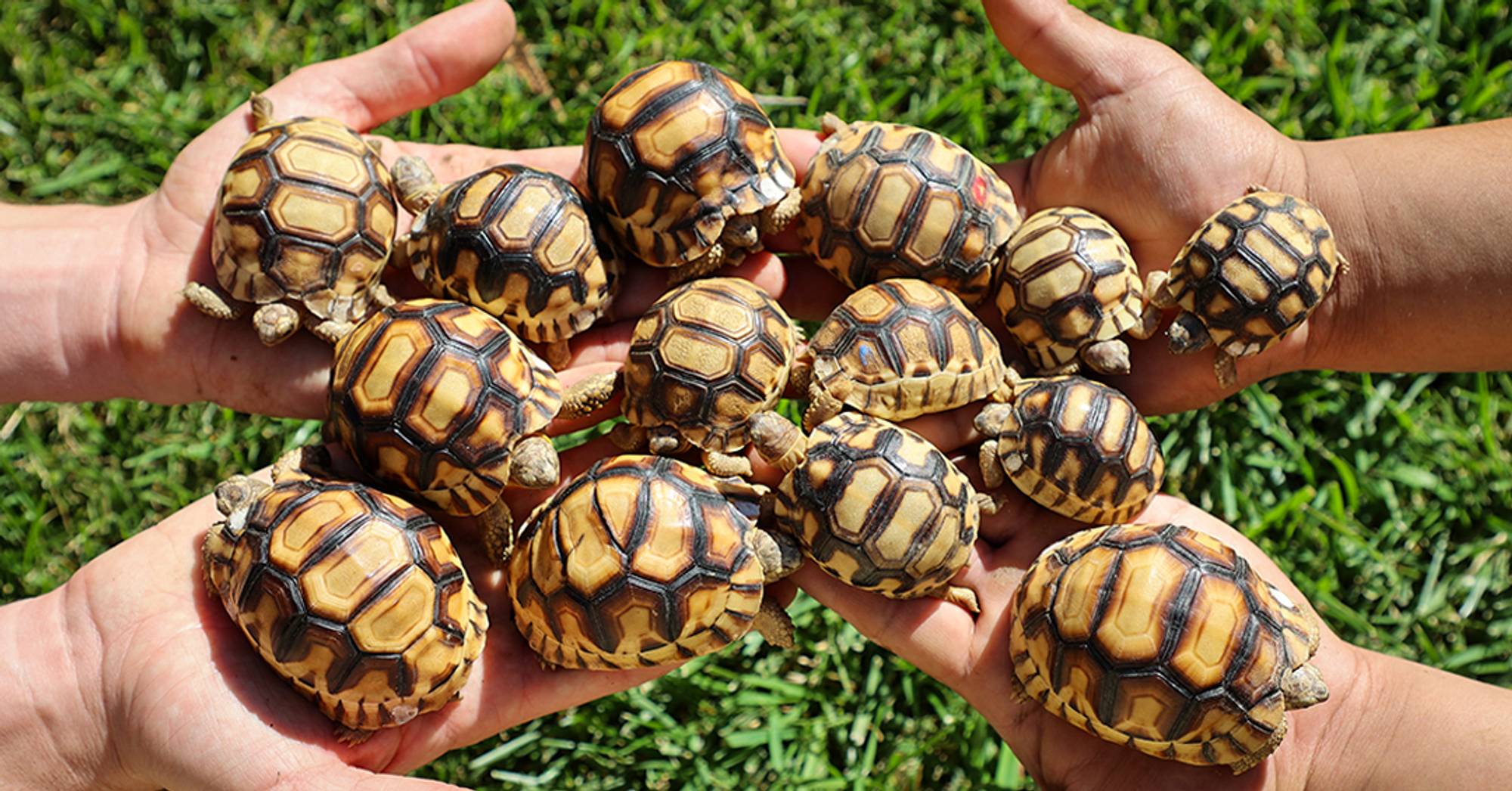
Ploughshare tortoise hatchlings, born at Turtle Conservancy
Photo by Hallie Hoffman
Fifteen years ago, a small group of ploughshare tortoises — rescued from smugglers, confiscated from the illegal wildlife trade — arrived at Turtle Conservancy's conservation center in Ojai, California. They were among the rarest animals on the planet, plucked from a black market that has pushed their species to the edge of extinction. No one had ever successfully bred ploughshare tortoises outside Madagascar. The plan was to try anyway.
Last year, it worked. In 2025, those rescued tortoises started producing hatchlings, and we're now at 25 babies — the first ploughshare tortoises ever born outside their native Madagascar for rewilding. It's the payoff of fifteen years of patient, exacting care, and it gives a Critically Endangered species something it hasn't had in decades: a second population, a second chance.
Now Turtle Conservancy is building on that milestone. We're launching a $1 million Ploughshare Tortoise Rewilding Initiative to expand captive breeding, strengthen protection for the last wild tortoises in Madagascar's Baly Bay, and lay the groundwork to return the Ojai hatchlings' descendants to the country where their species has fought so hard to survive.
A Species on the Brink
The Ploughshare Tortoise (Astrochelys yniphora), known locally in Madagascar as the Angonoka, is found nowhere else on Earth but a small pocket of dry forest along Baly Bay in the country's northwest. Its gular scute — an elongated, plough-shaped extension of the lower shell that males use to spar for mates — gives the species its name and its unmistakable golden silhouette, and that same shell has made it one of the most trafficked tortoises in the world, historically fetching tens of thousands of dollars on the black market. Conservationists now estimate that only around 100 remain in the wild, and the species was considered functionally extinct there by 2017.
Fifteen Years in the Making
Turtle Conservancy's fight to save the Ploughshare Tortoise dates back to 2009, when we began working alongside Durrell Wildlife Conservation Trust to protect the last wild population and grow a secure captive breeding colony inside Madagascar. Armed guards, razor wire, hidden cameras, and individually engraved shells are just some of the measures our partners on the ground use to deter poachers.
In 2010, that fight expanded to Ojai, where a group of rescued tortoises became the seed of an entirely new, out-of-country breeding effort — insurance against the ever-present threat of poaching and disaster in Madagascar. It took fifteen years, but in 2025, those tortoises finally bred, producing 25 hatchlings and proving that a second, independent lifeline for this species was possible.
What Comes Next
The $1 million Rewilding Initiative funds the next phase: expanding captive breeding capacity in both Ojai and Madagascar, strengthening anti-poaching protection in Baly Bay, and building the infrastructure needed to eventually return captive-bred descendants to protected habitat in the country where their species was nearly trafficked out of existence. Rewilding isn't a single release — it's a careful, multi-year process of health screening, acclimatization, and monitoring, one Turtle Conservancy has used successfully with other tortoise species and is now preparing to bring to the one that needs it most.
A Bigger Moment
The trade that nearly erased this species has never felt more visible. HBO's docuseries Monsters of God, from Turtle Conservancy founder Eric Goode, closed out its finale this week by pulling back the curtain on the exotic reptile smuggling underworld — including a reminder that even a U.S. Fish and Wildlife special agent who spent his career chasing traffickers ended up keeping a Ploughshare Tortoise of his own.
At the same time, the Ploughshare has been named among the 100 Critically Endangered species targeted for recovery by the newly launched Phoenix Species Project, a $200 million effort backed by the Bezos Earth Fund and Re:wild. We're thrilled to see the Ploughshare recognized on a list of this scale — one more sign that the work being done in Madagascar and Ojai is part of a much larger effort the world is finally rallying behind.
The Ploughshare Tortoise waited nearly to the point of no return for its story to change. We've spent years building the foundation. Now, help us bring them home.
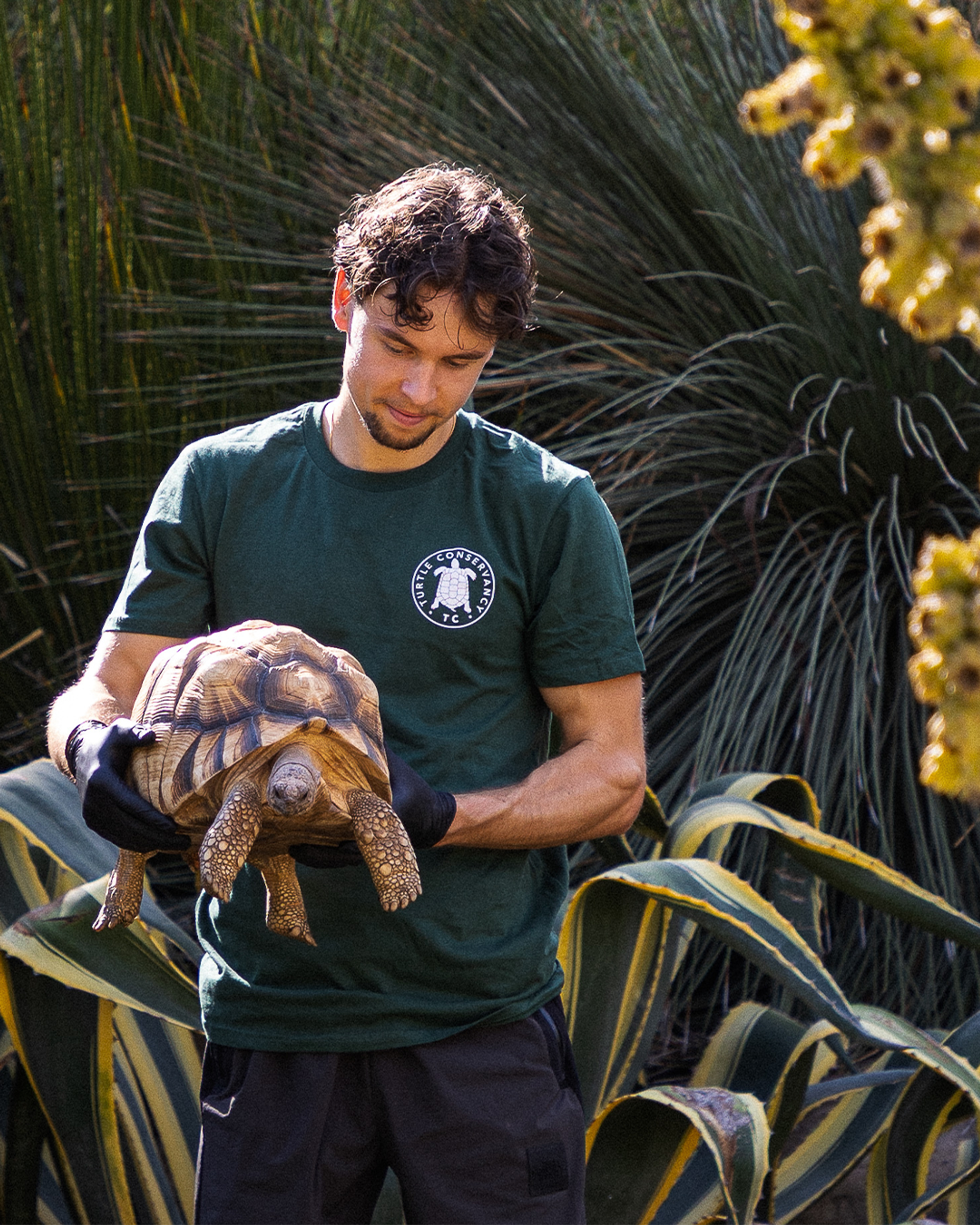
Photo by Hallie Hoffman
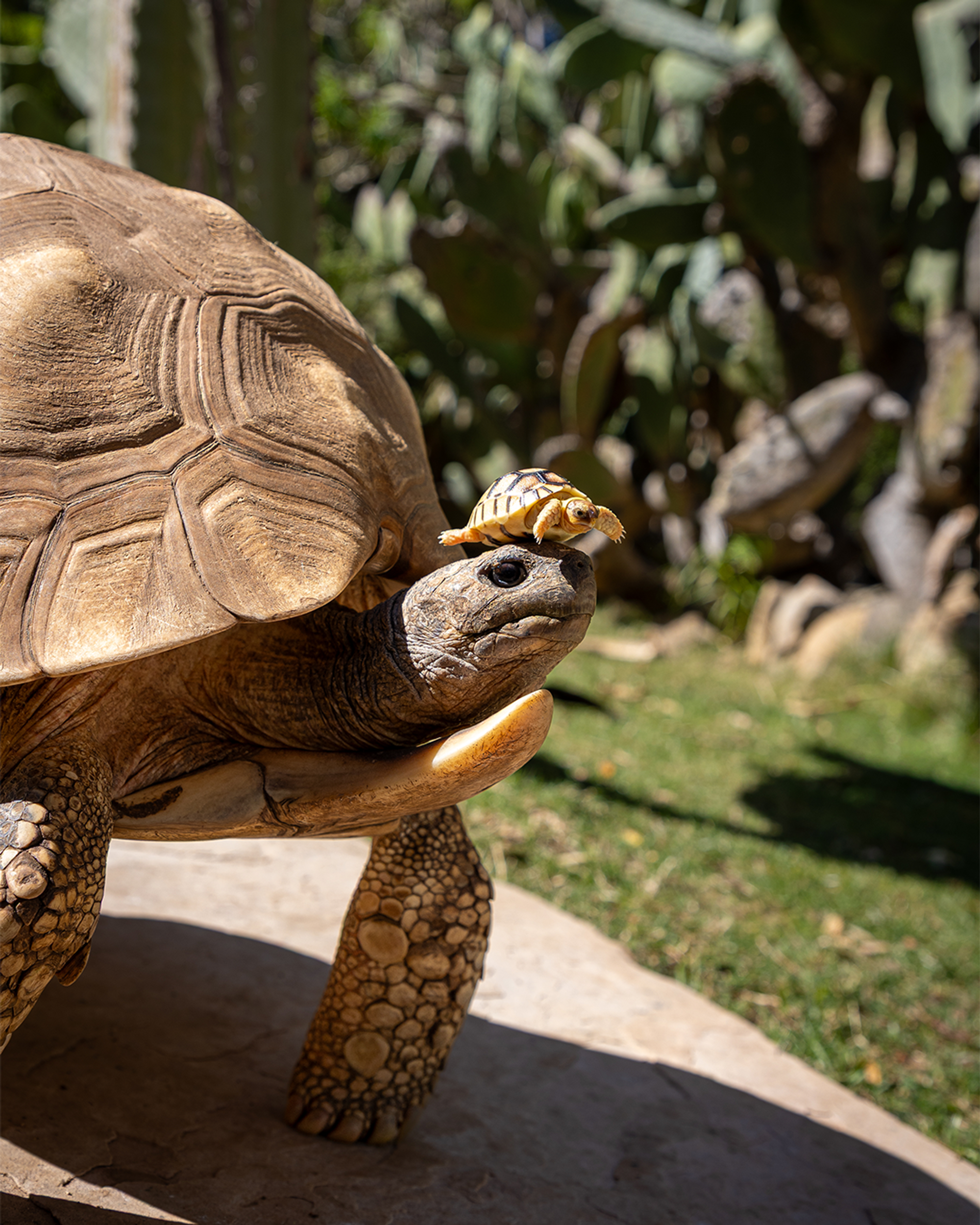
Photo by Hallie Hoffman
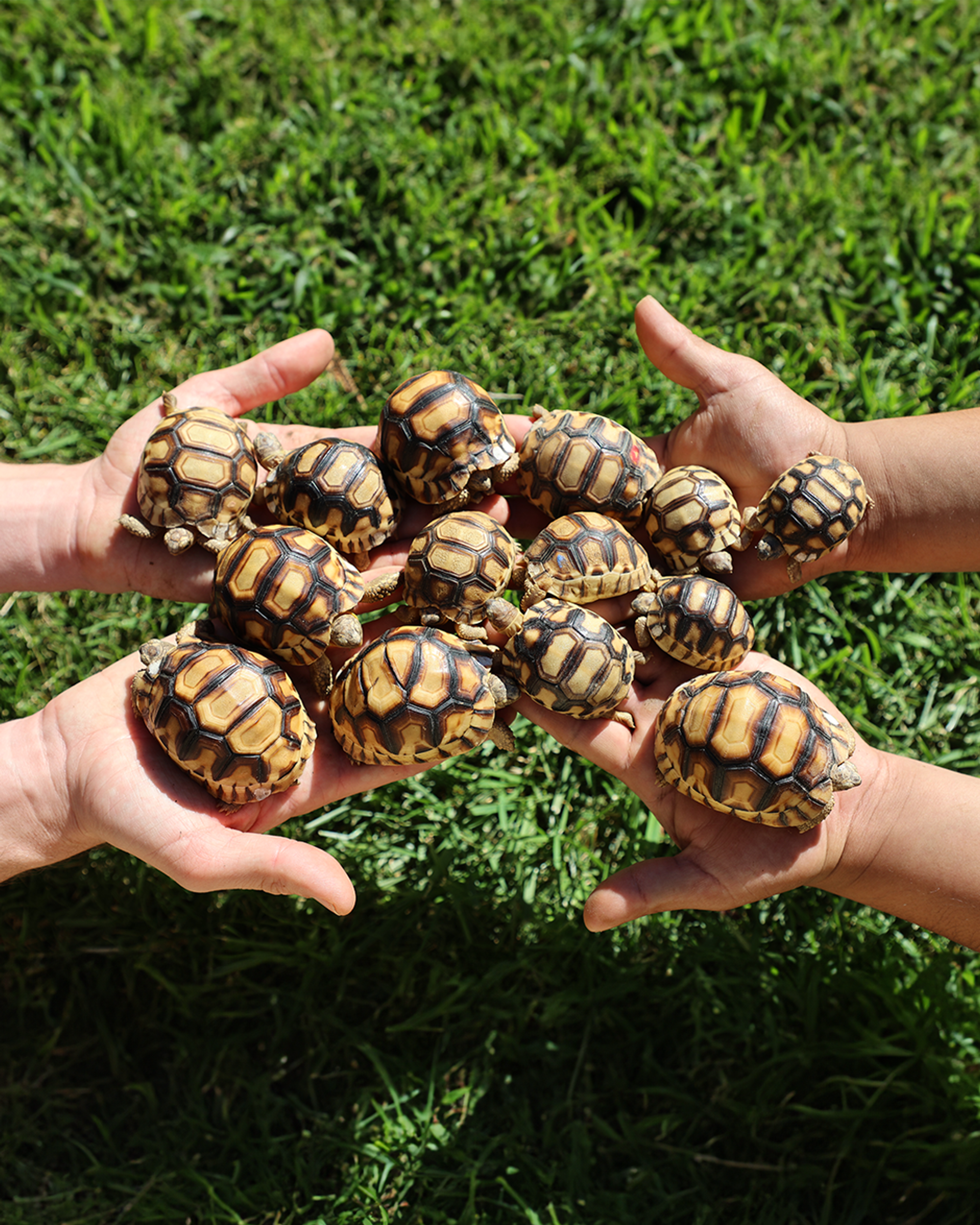
Photo by Hallie Hoffman
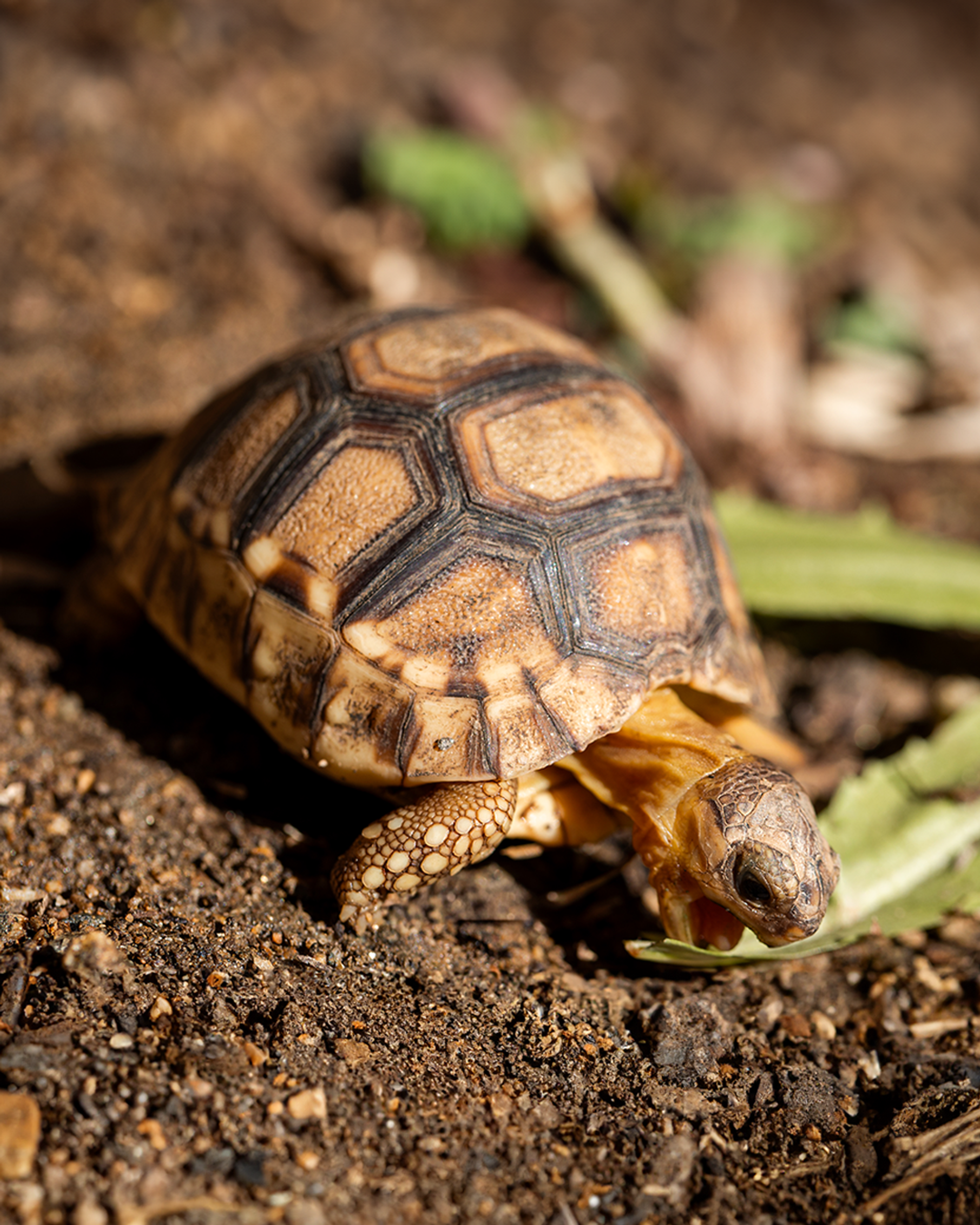
Photo by Hallie Hoffman
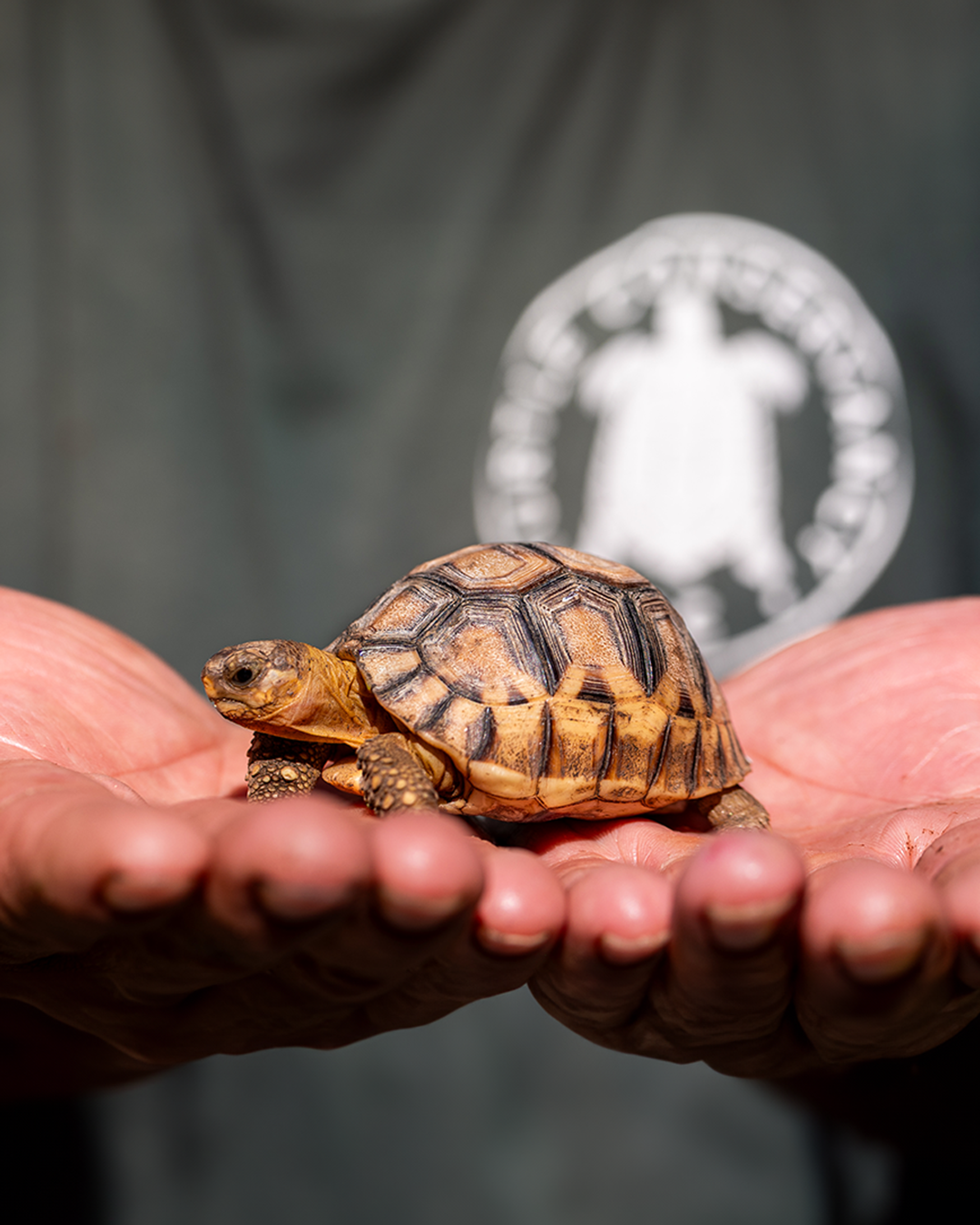
Photo by Hallie Hoffman
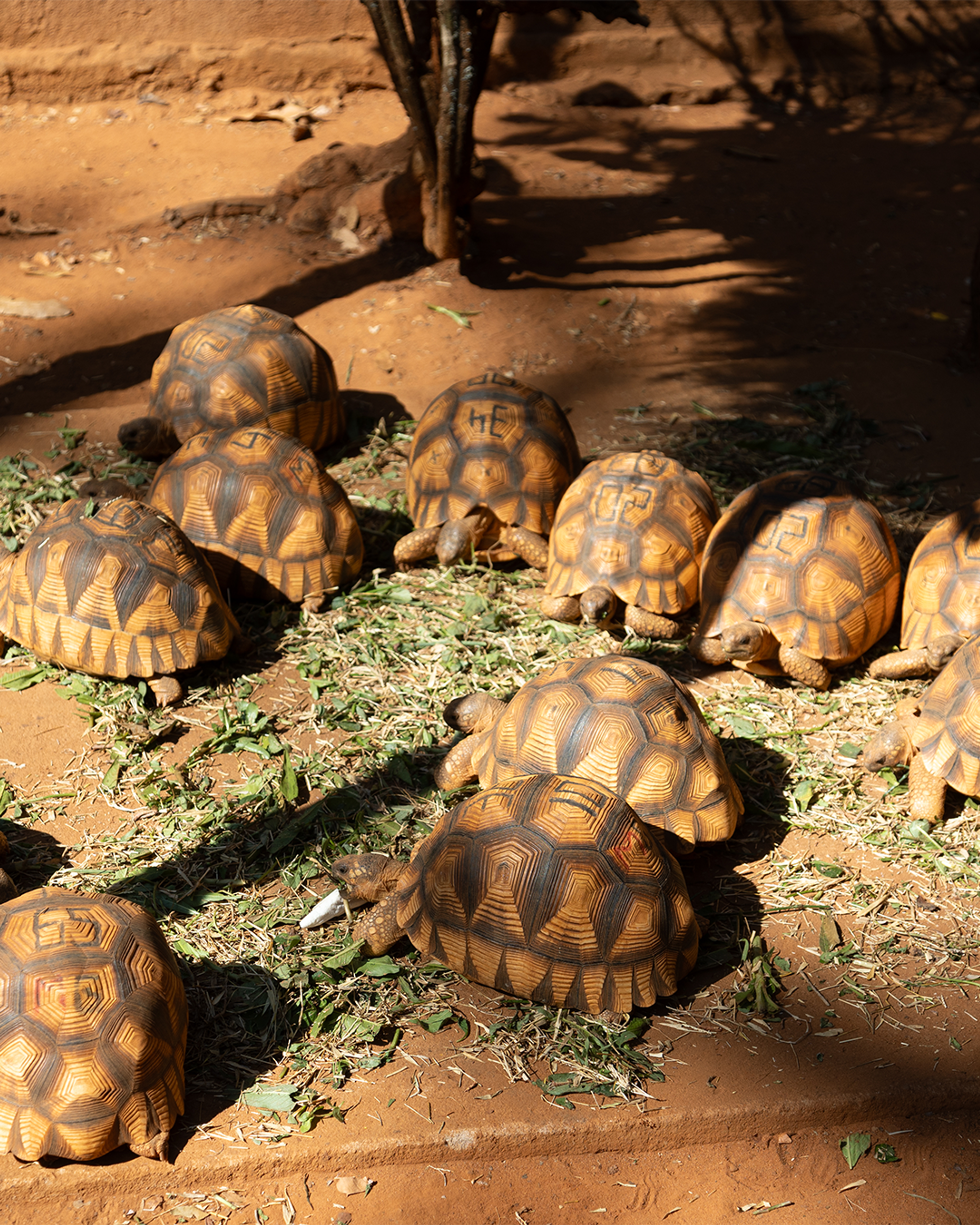
Photo by Simon Rouot
Photo by Hallie Hoffman
Photo by Hallie Hoffman
Photo by Hallie Hoffman
Photo by Hallie Hoffman
Photo by Hallie Hoffman
Photo by Simon Rouot
