24 Confiscated Box Turtles Return to the Wild
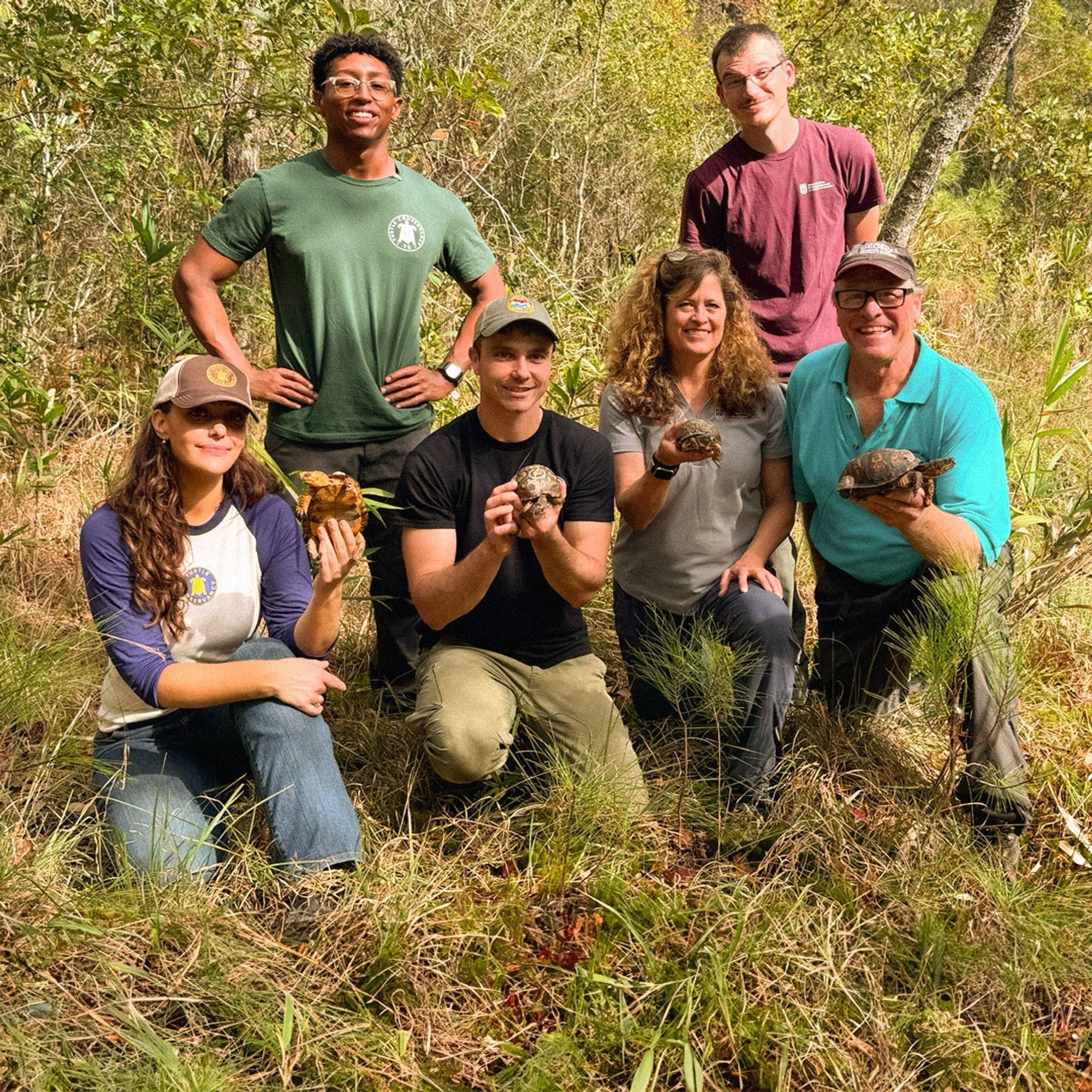
The box turtle release team
Pictured: Hallie Hoffman, Christian Cave, Andrew Grosse, Tracey Tuberville, Kurt Buhlmann and Aaron Johnson
What happens to a turtle after it’s confiscated from the illegal wildlife trade?
For most, the answer is a lifetime in human care. Finding a safe, suitable place to return confiscated turtles is complex, and many never get the chance. This month, 24 Eastern box turtles took a different path.
On Nov. 5, the turtles were returned to the wild on protected land in South Carolina, just 83 days after arriving at the Turtle Conservancy in Ojai, California. Their journey was made possible by federal, state, university and nonprofit partners working together.
A growing problem
North American turtles are increasingly poached for the international pet trade. Since 2017, the Turtle Conservancy has taken in 810 seized turtles and tortoises, more than 400 of them in the last six months alone.
Every adult taken from the wild matters. Box turtles can take nearly 20 years to reach maturity and produce only a few eggs each year, so removing adults can push a population toward a point it can’t recover from.
The road back to the wild
These turtles were intercepted by the U.S. Fish and Wildlife Service before they could be shipped overseas. The Association of Zoos and Aquariums’ Wildlife Confiscations Network placed them with the Turtle Conservancy, where our team provided veterinary care, health screenings and time to recover.
On Nov. 2, the turtles flew across the country to meet the release team. Three days later, scientists Tracey Tuberville and Kurt Buhlmann of the University of Georgia’s Savannah River Ecology Laboratory led their release onto protected land, working alongside Andrew Grosse of South Carolina DNR.
“We’ve gotten better at intercepting illegal shipments of turtles, but now we need to find a place for them to go where they can once again contribute to wild populations.” — Andrew Grosse, Reptile and Amphibian Biologist, SCDNR
Built on science
This release builds on earlier work by Tuberville and Buhlmann. In 2019, their team released more than 150 confiscated Eastern box turtles at a protected site in South Carolina and tracked them closely. Within weeks, the turtles were moving like wild residents, and by their second year they were surviving at the same rate as wild turtles: 95 to 100 percent.
“Once you get to that second year, they behave like wild animals. If you can get healthy animals back on the landscape, it has real promise to be successful.” — Tracey Tuberville, Senior Research Scientist, UGA SREL
Biologists will monitor this group through their first winter to see how they settle in.
A model for other states
“One of the things that we’ve learned from years of working on conservation projects is it is not a competition. It has to be a collaboration.” — Kurt Buhlmann, Senior Research Scientist, UGA SREL
Returning these turtles to the wild took immense effort from every partner. It’s an important step toward protecting and restoring turtle populations across the U.S., and we hope it becomes a blueprint for how more confiscated turtles can get a second chance in the wild.
“It’s so easy to pluck an animal out of the wild, but when you want to put one back, there are more roadblocks.” — Eric Goode, Founder, Turtle Conservancy
Help more turtles get back to the wild
Confiscations are rising, and every turtle that comes through our doors needs care, health screening and a plan for what comes next. Your support makes that possible.
Thank you to the U.S. Fish and Wildlife Service, the Association of Zoos and Aquariums, the University of Georgia’s Savannah River Ecology Laboratory and the South Carolina Department of Natural Resources.
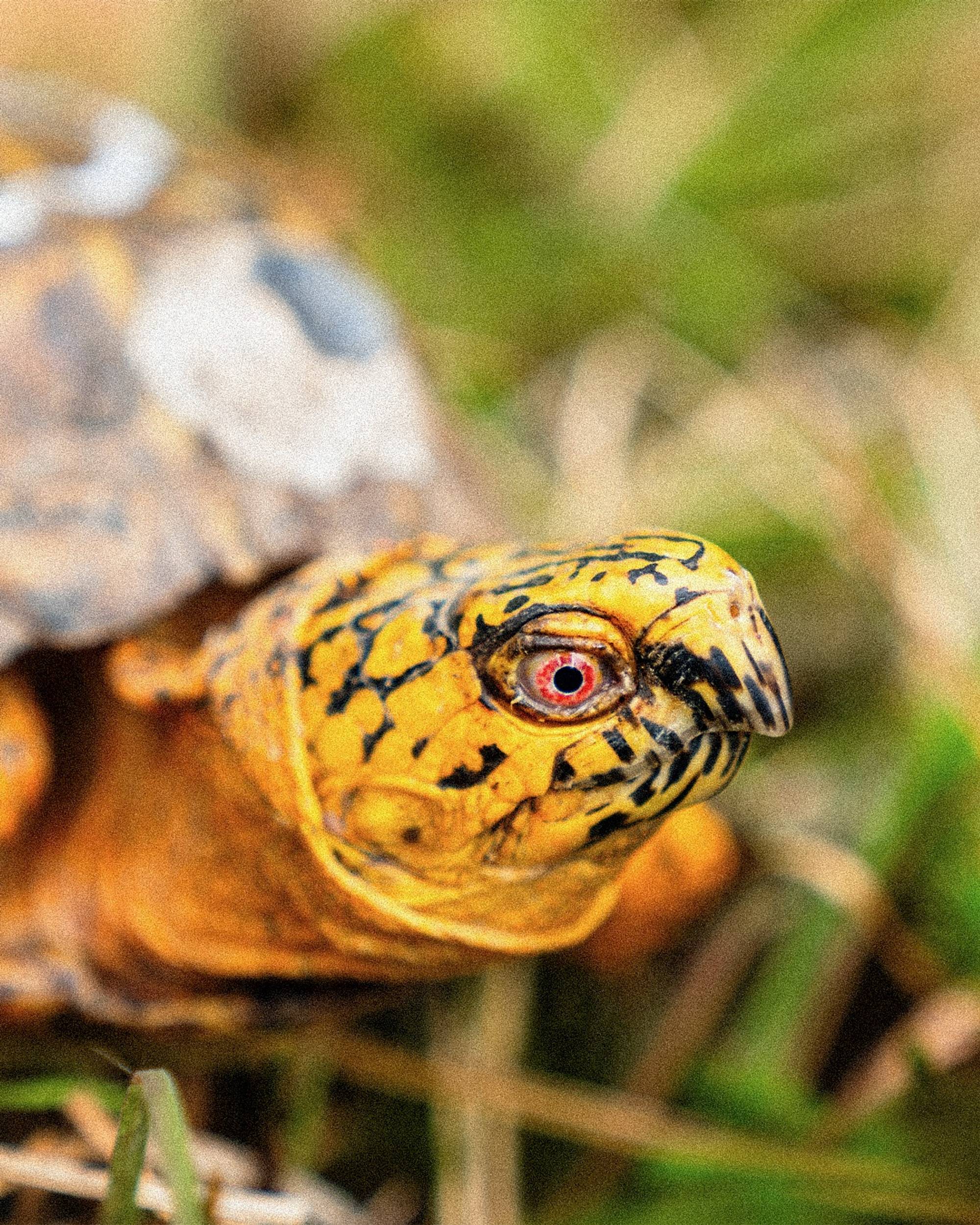
Allison Devore (SCDNR)
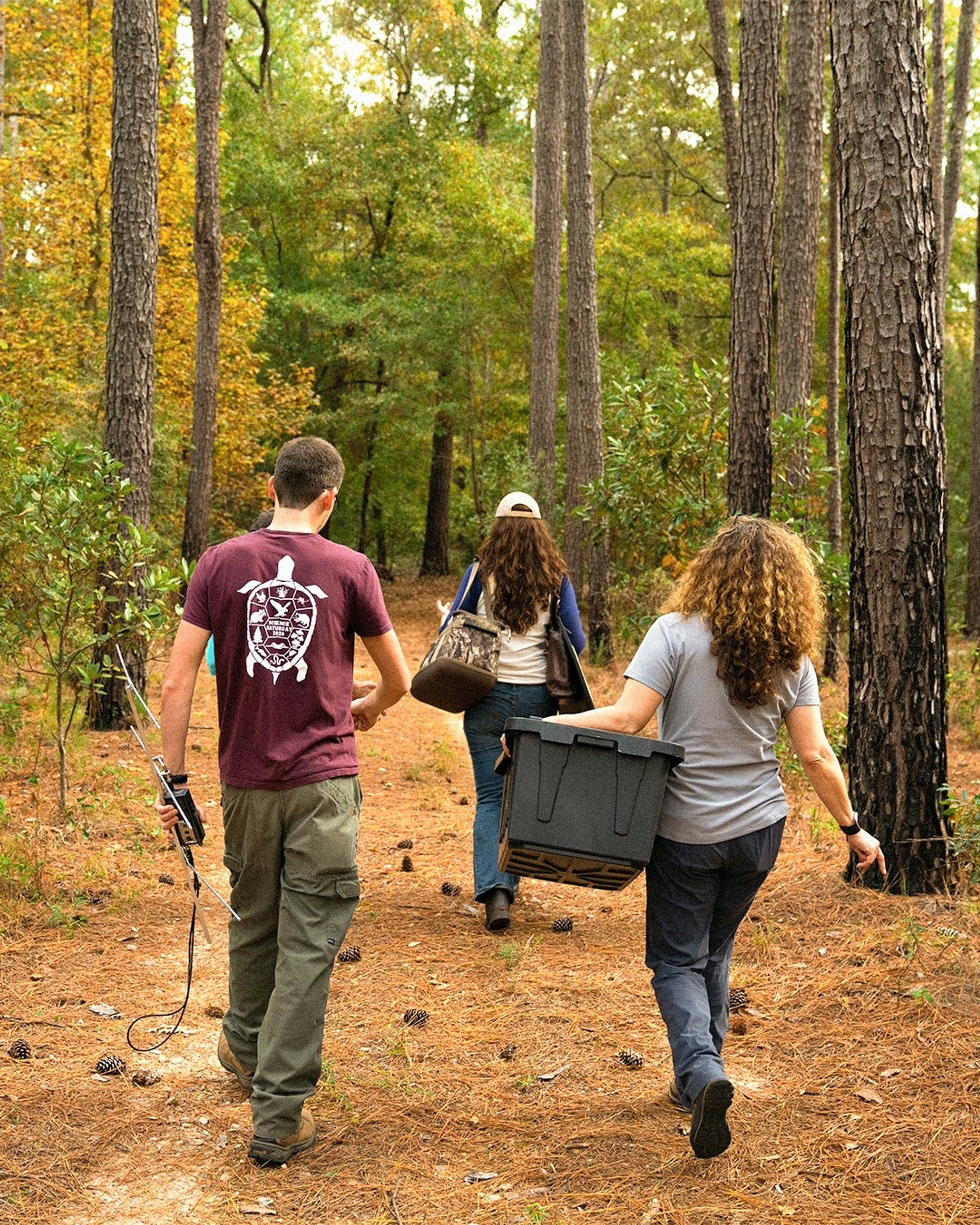
Aaron Johnson, Hallie Hoffman, and Tracey Tuberville head into the forest with the turtles. Photo: Drew Sisto (SCDNR)
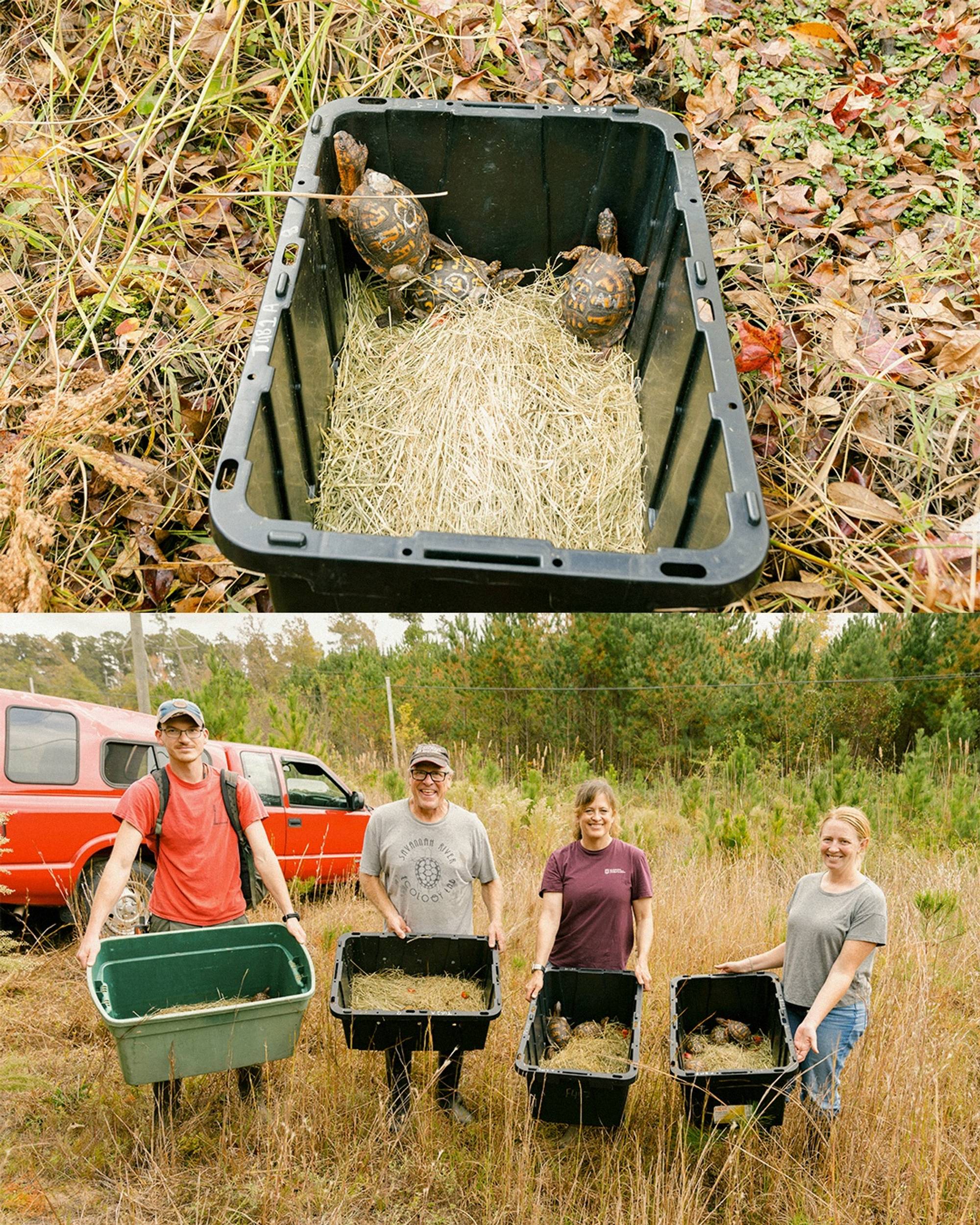
Photo: James Gay
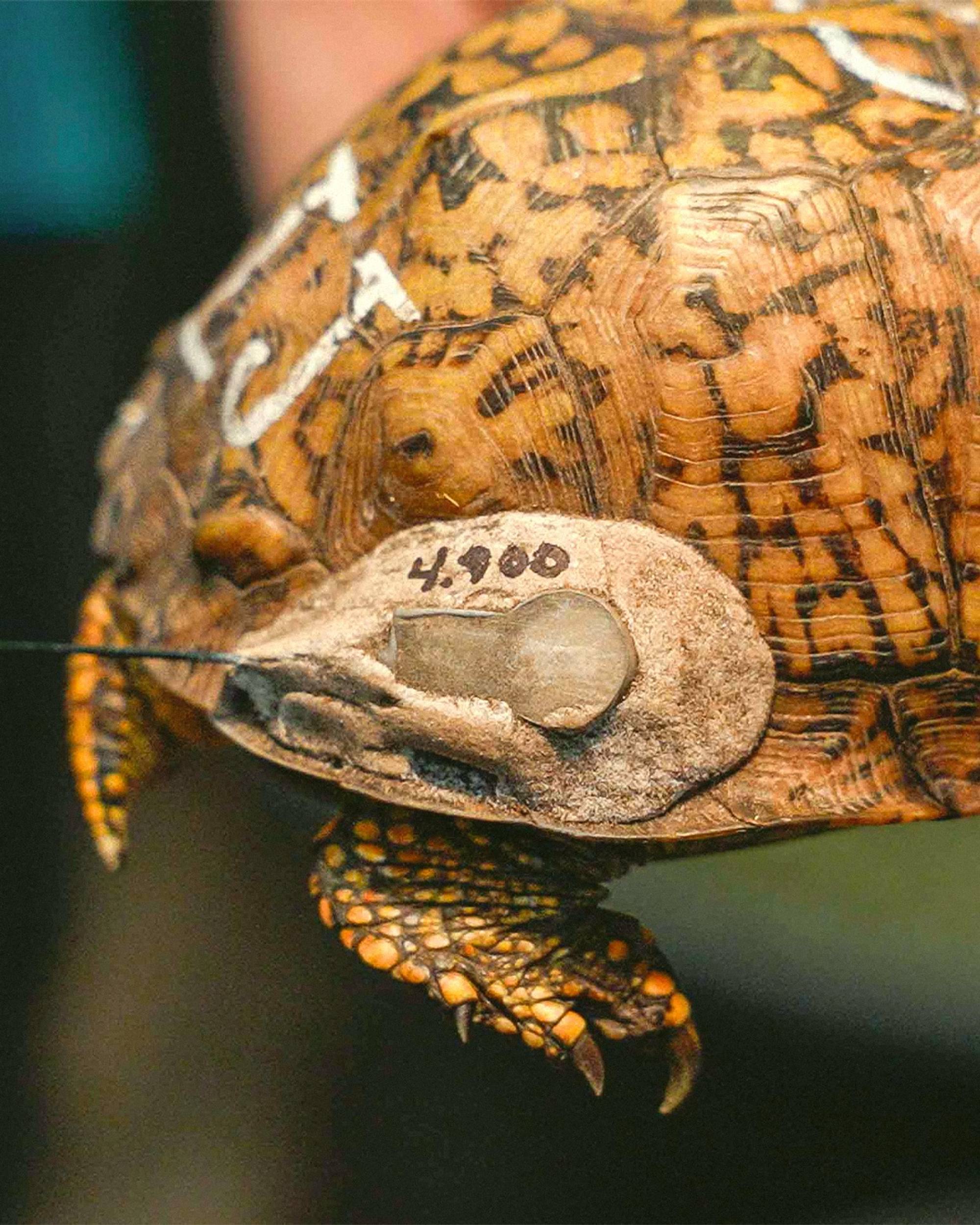
Photo: Christian Cave (TC)
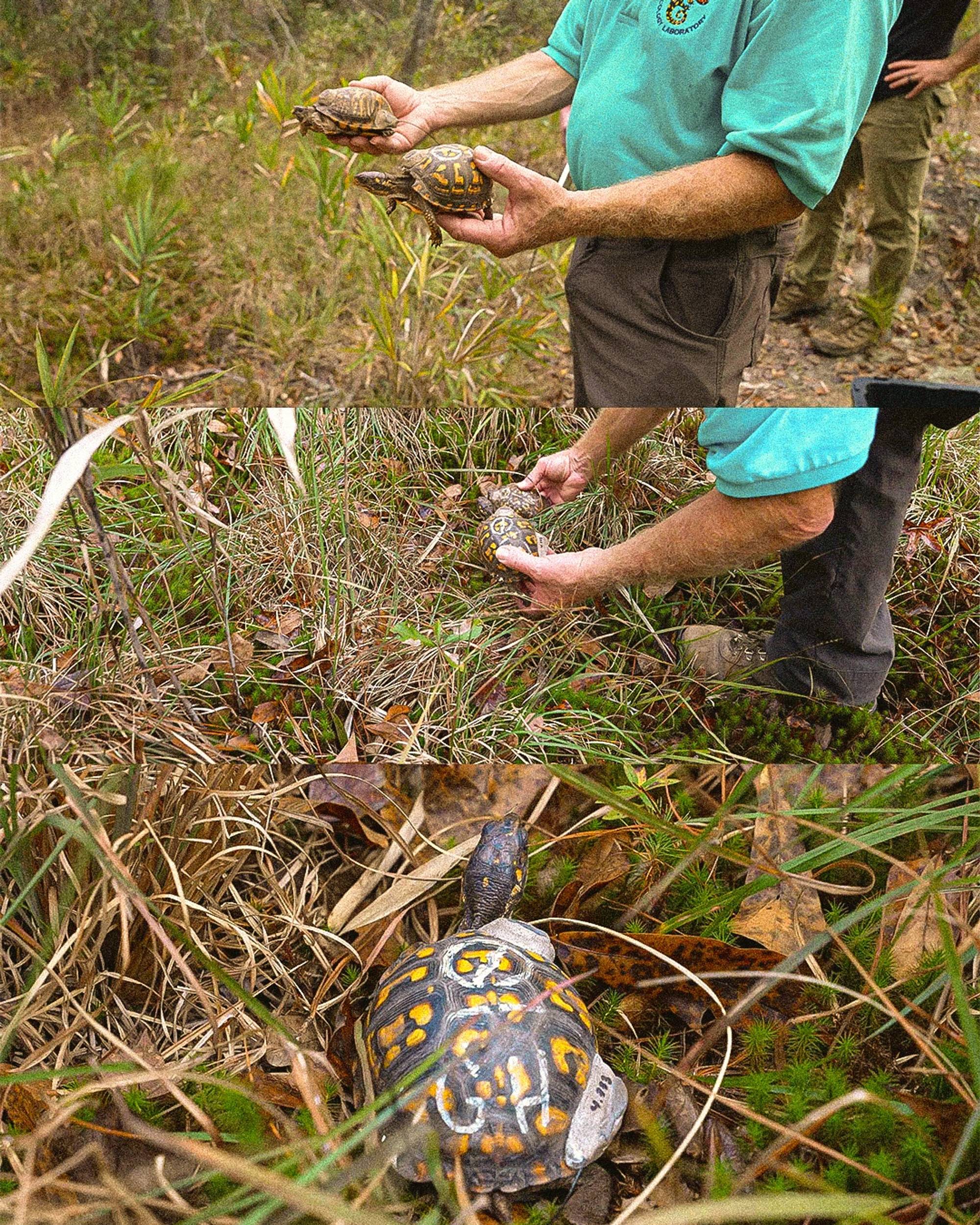
Kurt Buhlmann releases two turtles. Photo: Christian Cave (TC)
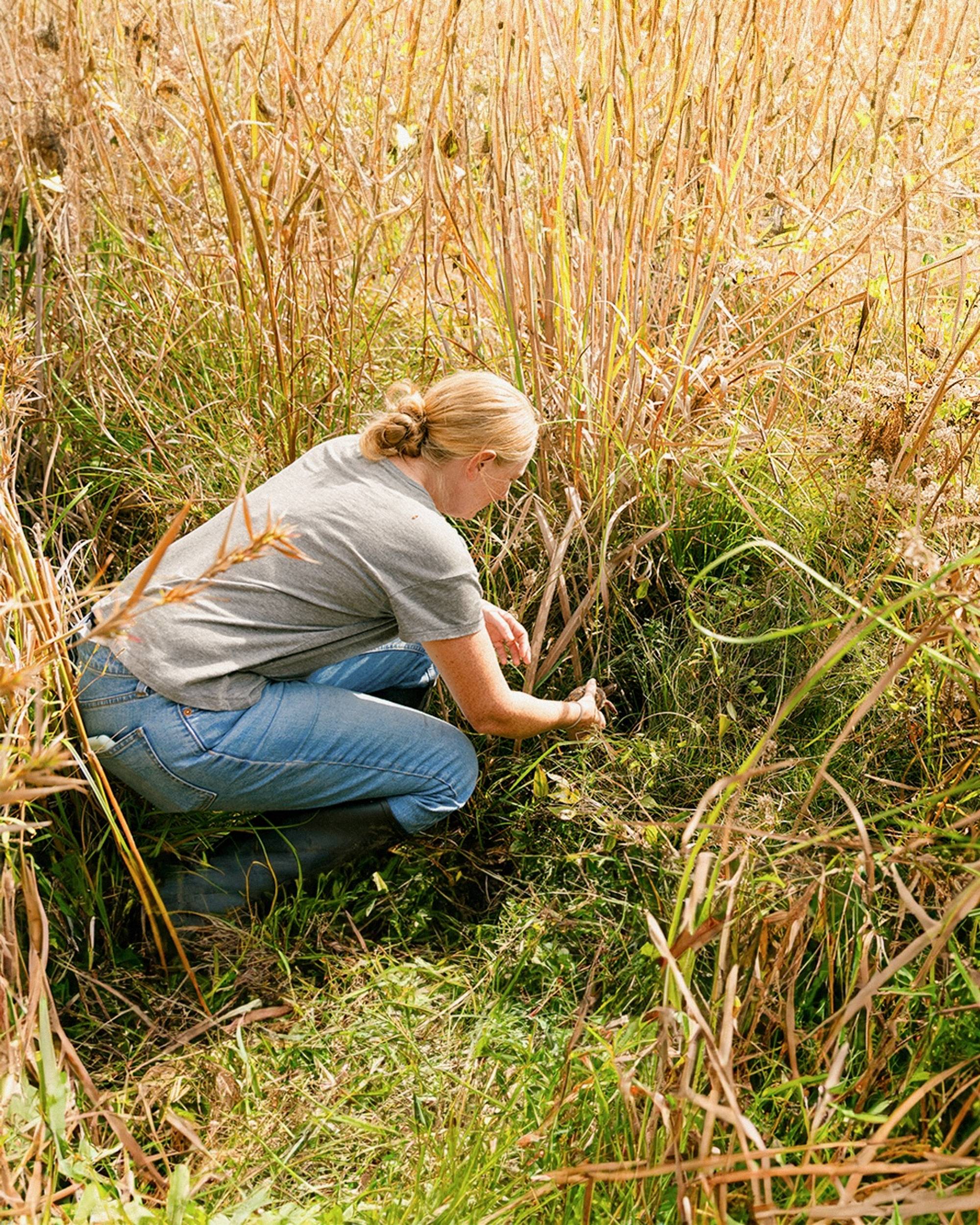
Photo: James Gay
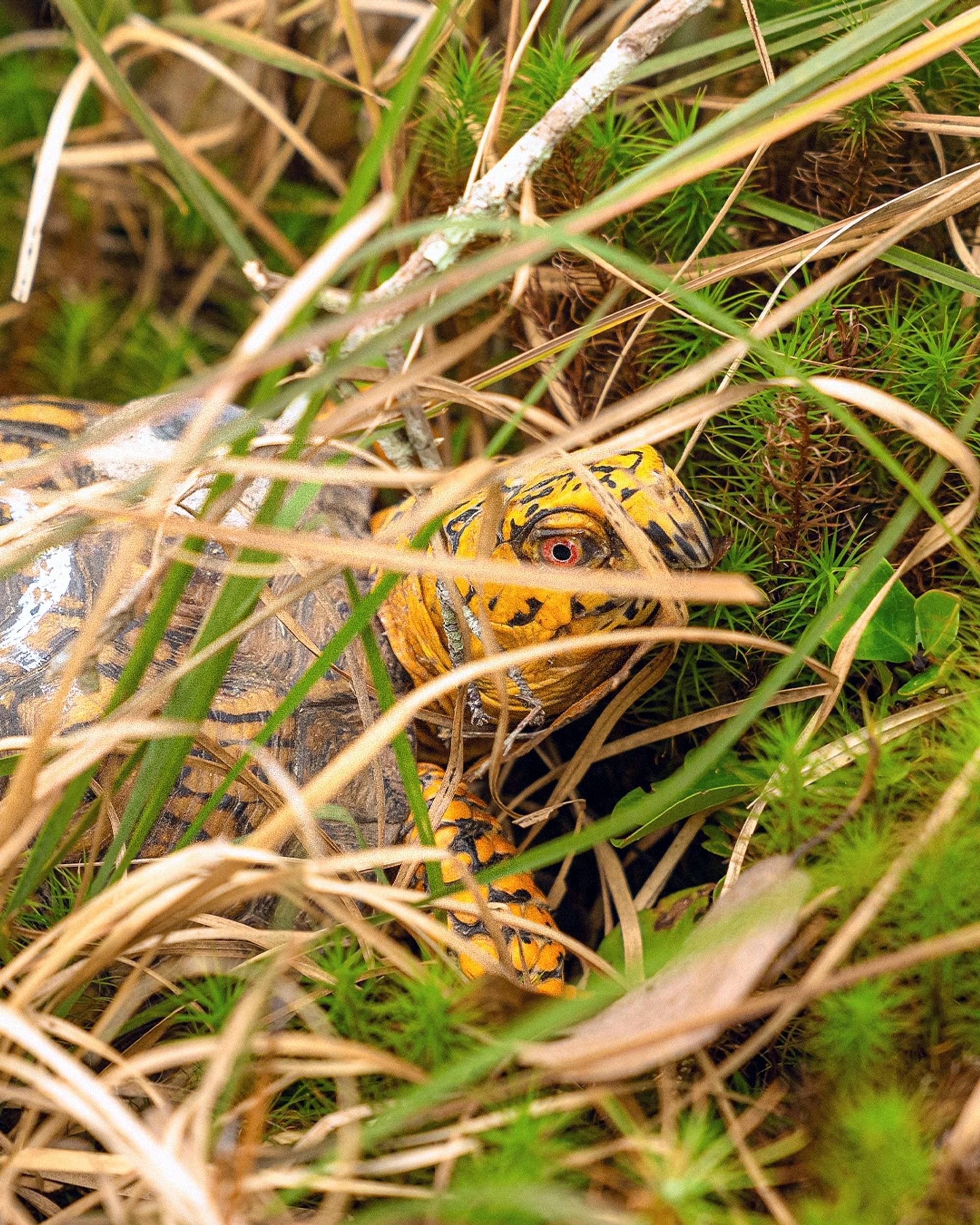
Photo: Drew Sisto (SCDNR)
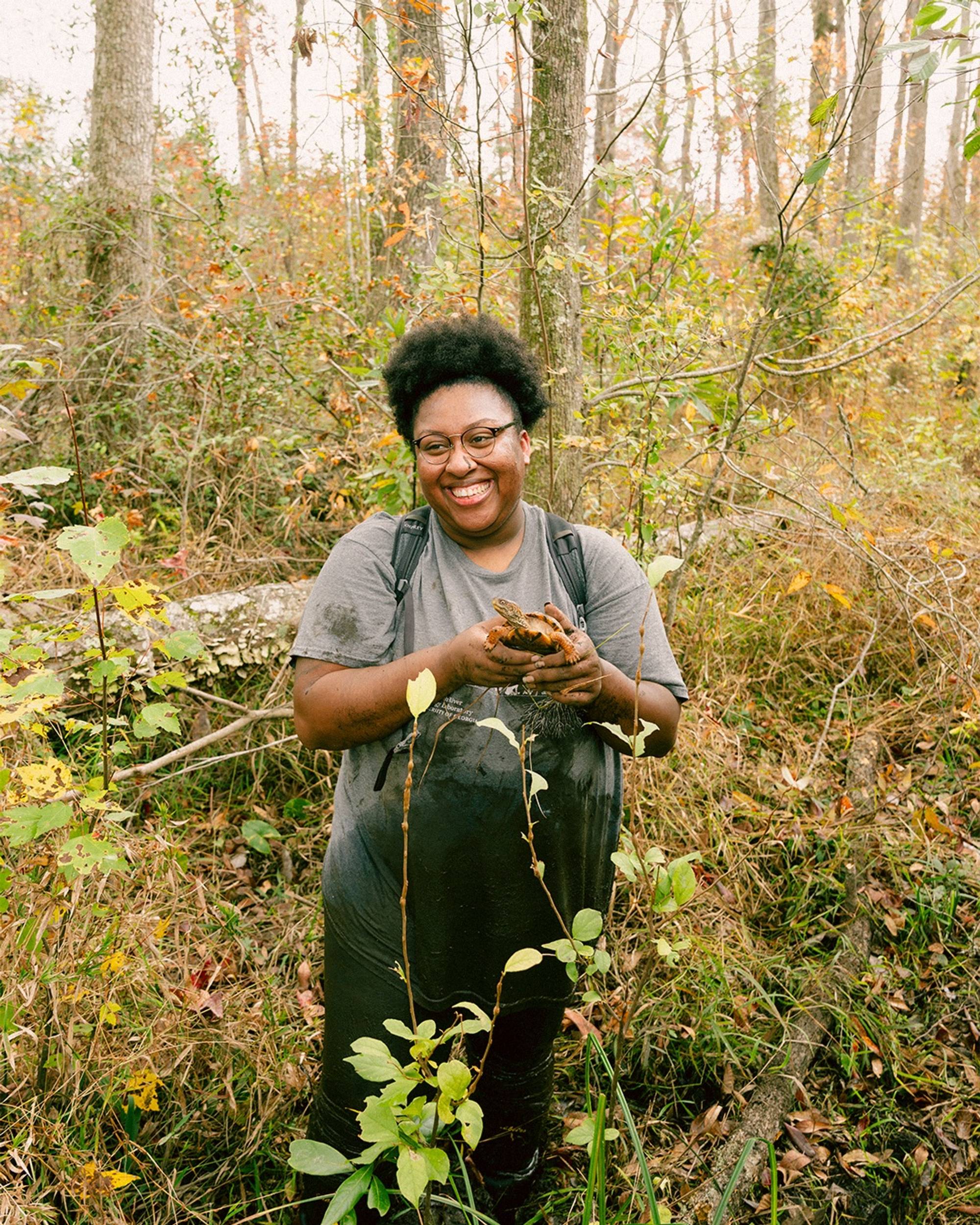
Tyjaha Steele with a box turtle on release day. Photo: James Gay
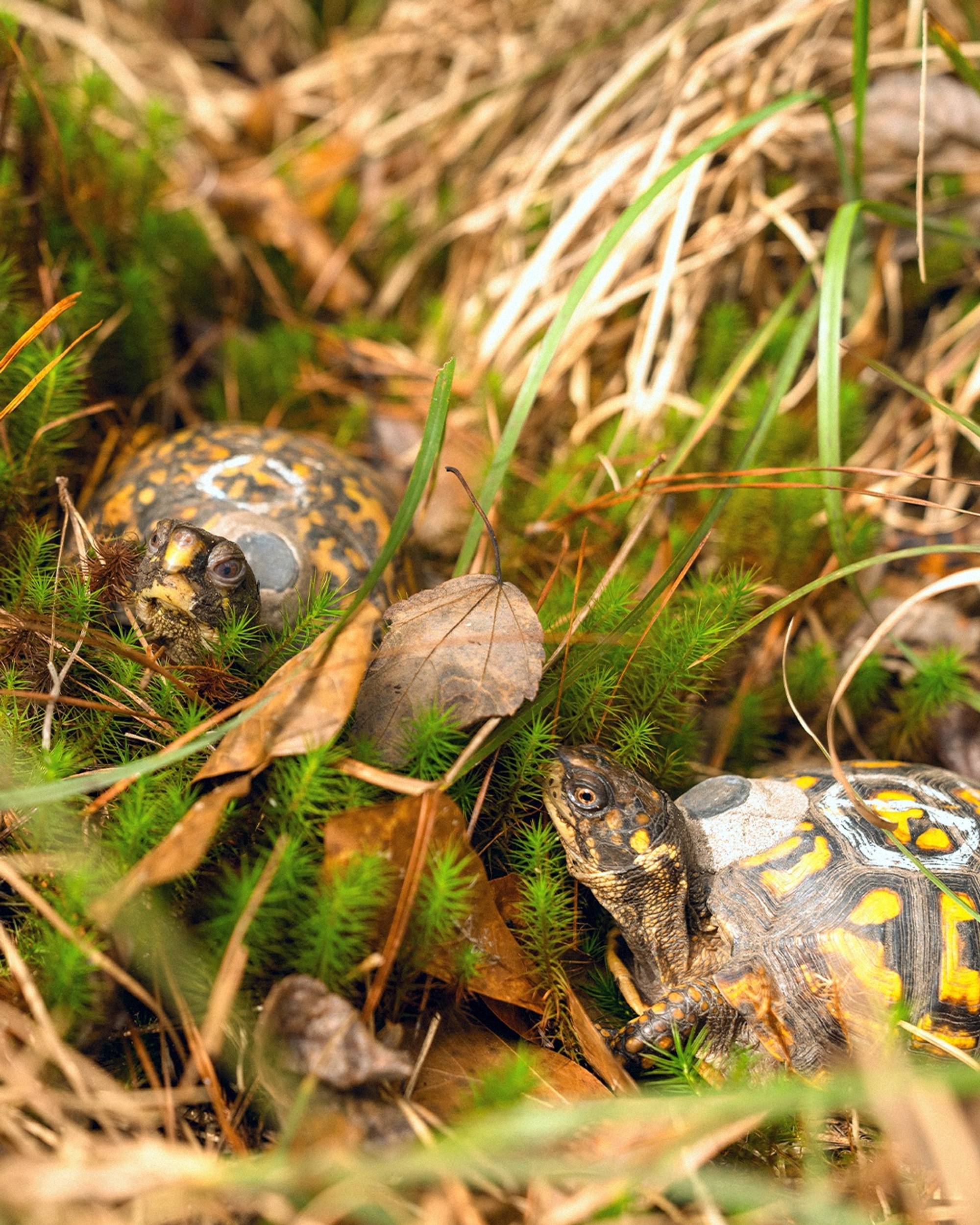
Photo: Drew Sisto (SCDNR)
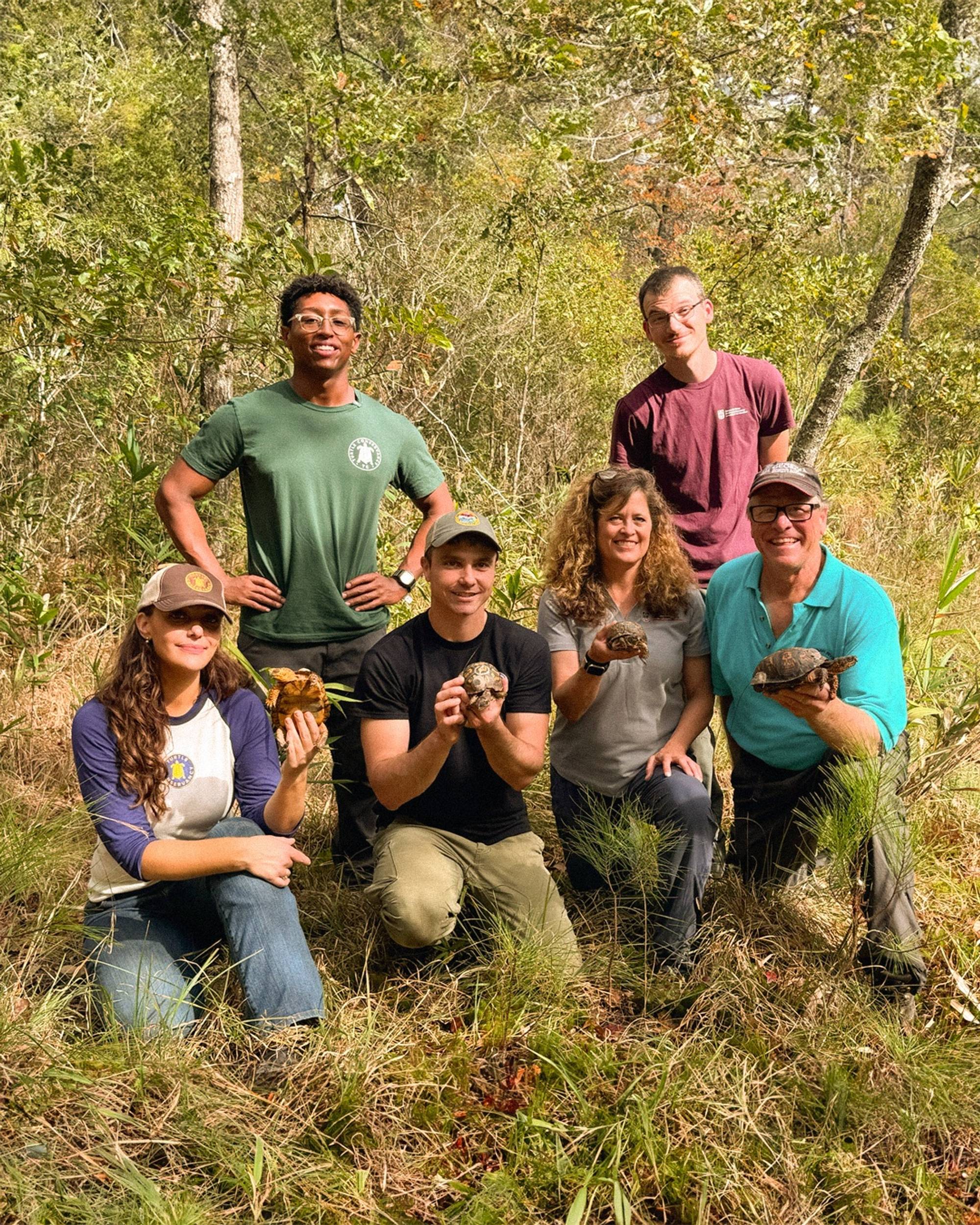
Pictured: Hallie Hoffman, Christian Cave, Andrew Grosse, Tracey Tuberville, Kurt Buhlmann and Aaron Johnson
